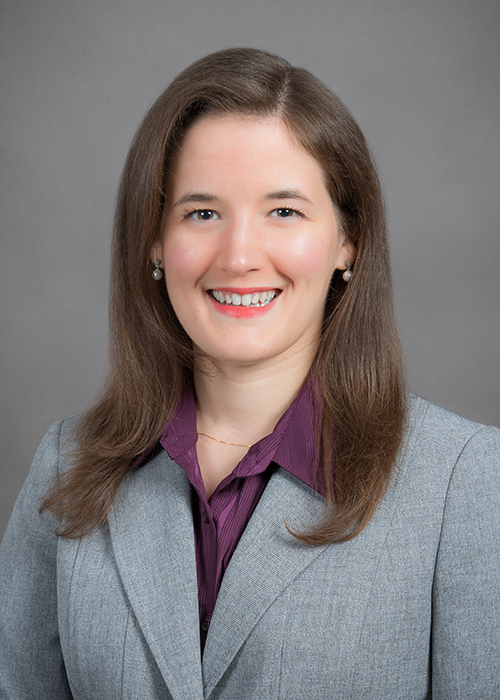
Condition: Outpatient psychiatry/psychology
Randall Espinoza
I am currently the Medical Director at the Garvey Institute Center for Neuromodulation and am providing leadership to help grow our portfolio in the area of Neuromodulation and Interventional Psychiatry. Before coming to the UW, I was the Muriel Harris Chair of Geriatric Psychiatry and Professor of Clinical Psychiatry at UCLA. While at UCLA, I held many administrative, clinical and teaching leadership positions including serving as Medical Director of Inpatient Geriatric Psychiatry, Chief of Staff of the UCLA Neuropsychiatric Hospital, Founding Faculty of the UCLA Neuromodulation Division, Medical Director of the ECT and Interventional Psychiatry Program, among others.
I recently became Editor-in-Chief of the Journal of ECT and Related Therapies, the official publication of the International Society of ECT and Neurostimulation. My research projects have included investigating various neuromodulation and interventional therapies and developing novel educational programs and curricula. I have an abiding interest in mentoring and helping faculty at the start of their careers and a commitment to fostering the advancement of women and underrepresented minority (URM) faculty in academic medicine.

Daina Tagavi
My work focuses on the development, dissemination, and implementation of tools for the assessment and treatment of autism spectrum disorder. I am also interested in transdiagnostic interventions for autism spectrum disorder to increase efficacy for individuals and families, as well as access to care. My clinical pursuits include conducting diagnostic evaluations for autism for youth of all ages, as well as running groups and classes for autistic individuals and their families.

Austin Kollefrath
Miriam Rubenson
Jacqueline Hobbs
I recently joined the faculty at UW and am the new program director for the general residency program. I am excited to be here! I have been working in graduate medical education and have been a program director for over 14 years. Although my major focus is graduate medical education, I am also passionate about patient safety, quality improvement, and healthcare risk management. Additionally, I have a background in basic research with expertise in virology, microbiology, and immunology.
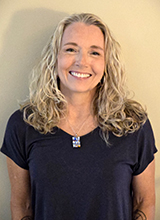
Christina N. Clayton
Christina has been in the behavioral health field since 1993, primarily serving adults who live with severe mental health issues, substance use, experience chronic homelessness, suffer from poor physical health, trauma and any number of co-occurring issues.
Prior to joining UW in 2018, she spent 25 years working in and managing numerous clinical programs including: HIV/AIDS housing and health care, school-based mental health, substance use outreach and treatment, homeless mental health outreach, intensive case management, assertive community treatment, crisis respite, integrated care, housing first and other evidence-based practices. She has provided licensure supervision, training and consultation, and has worked on multi-disciplinary teams in a number of settings. She highly values her years of clinical direct service and program management experience.
She has also been involved with the UW School of Social Work since getting her MSW, working with dozens of graduate and undergraduate students, teaching courses and workshops, presenting on panels. She has served as a Practicum Instructor, the Interim Assistant Dean and Director of Field Education, and is currently is a Clinical Associate Professor teaching in the MSW program.
Starting in fall 2024, Christina became one of the Co-Directors of the Pacific West HUB for Mental Health Implementation Support (CMHIS), led by Stanford’s Center for Dissemination and Implementation (CDI). The CMHIS project builds the capacity to select and implement evidence-supported practices and programs, sharing pragmatic, accessible guidance.
Since 2023, she has served as Co-Chair for the PBSCI Department’s Equity, Diversity and Inclusion Staff Committee, also having been a member since it’s inception in 2021.
From 2018-2024, Christina was the Co-Director of the Northwest MHTTC, a SAMHSA-funded regional training & TA center. Christina co-directed the team and helped plan and oversee training for the mental health workforce in HHS Region 10 (AK/ID/OR/WA). Activities include live webinars, research/practice briefs, online self-paced courses, learning communities and intensive cohort-based training. Most of this training was conducted virtually in collaboration with numerous faculty, instructional designers and presenters.
She is grateful to all the staff and faculty who choose to work in this field, as it is their collective energy, passion, dedication and commitment to social justice that supports the people we serve and brings real change to our communities. Most importantly, she is honored to work with people who every day, live their experience and share their journey through advocacy as they strive for a world where behavioral health is adequately supported and everyone can thrive equitably.
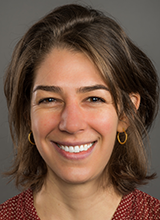
Alissa Hemke
I am a child and adolescent psychiatrist with interests in medical education, infant and early childhood mental health, and psychotherapy. I direct psychotherapy training for child and adolescent psychiatry (CAP) fellows, co-lead the CAP fellows’ didactic curriculum, and coordinate the CAP training experiences of general psychiatry residents.
My clinical work includes treatment in the outpatient setting for young children through adolescents, working closely with their families. I am passionate about psychiatrists supporting families comprehensively. I seek to use not only medications (if appropriate) but also behavioral/psychotherapeutic approaches.
I have done research on expanding behavioral treatments for young children by involving peer supports—caregivers who have previously participated in the programs for their own children—as members of the care team.
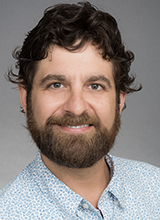
Nathan Sackett
Nathan Sackett, MD, MS is trained as an addiction psychiatrist, focusing on the intersection between substance use and psychiatric disorders. He attended medical school and nursing school at UCSF, graduate school at UC Berkeley and completed his adult psychiatry residency and addiction psychiatry fellowship at the University of Washington. He is now a junior faculty at the University of Washington in the Department of Psychiatry and Behavioral Sciences where he splits his time between seeing patients and research. Clinically, he works primarily outpatient seeing a range of patients with primary psychiatric issues and substance use disorders. His research focuses on the use of psychedelics to treat substance use disorders with a particular interest in how psychedelics can augment the psychotherapeutic process and facilitate behavioral change. When he is not working, he is spending time with his family and playing in the ocean.
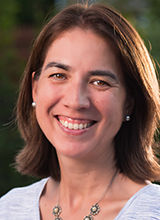
Mary Hatch
Dr. Hatch is an Associate Professor at the Addictions, Drug & Alcohol Institute (ADAI), Department of Psychiatry & Behavioral Sciences, UW School of Medicine. Her research interests are in the development and testing of behavioral and pharmacologic interventions for substance use disorders and HIV prevention. In particular, her work has focused on the intersection of substance use and HIV-related sex and drug risk behaviors from both the consumer and workforce perspectives, and on implementation factors that affect uptake of interventions. She has held multiple and varied roles in research projects since 1994, and has long-standing experience developing, implementing, and overseeing large-scale multi-site clinical trials with community treatment providers. In addition to her work at the University of Washington, Dr. Hatch is a licensed clinical psychologist at UWMC Outpatient Psychiatry Clinic. Her clinical work specializes in the treatment of drug and alcohol addictions and co-occurring depression, anxiety and trauma.