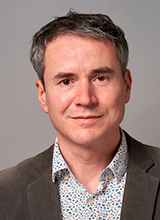
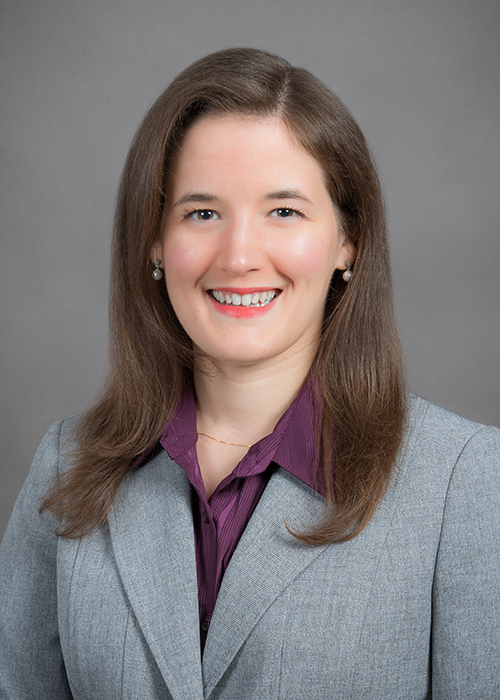
I am a child and adolescent psychiatrist committed to improving outcomes for young people who face complex difficulties and systemic barriers. As a clinician, I aim to establish meaningful therapeutic relationships with young people and those supporting them, while also working to advocate for public policy and health systems that improve access to quality mental healthcare.
My main role includes providing inpatient care to older adolescents at the Child Study and Treatment Center through the Behavioral Health Administration, Washington State Department of Social and Health Services, and acting as training lead for psychiatry at this site. My clinical interests include the transition from adolescence to adulthood, the emergence of mood disorder and psychosis, early intervention for personality disorder, and developmental disabilities. I have academic interest in medical education, health service development, and the social determinants of mental health.
I have always been interested in the thoughts and feelings that drive us. This led me to major in Psychological and Brain Sciences at Johns Hopkins University and to later enroll in the psychiatry residency training program at Washington University in St. Louis. Since completing training, I have had an excellent experience working at UW/Harborview’s emergency and inpatient psychiatry services. My teaching interests include the psychiatric interview, documentation, and fundamentals of clinical decision-making. Clinically, I enjoy taking a holistic approach to care, utilizing interventions across behavioral changes, pharmacology, and psychotherapy.
I completed my adult psychiatry residency at the University of California, Davis and went on to complete my child & adolescent psychiatry fellowship at Seattle Children’s. My clinical work is focused on inpatient psychiatry and psychopharmacology. I have a particular interest in working with families and children in management of disruptive behavior disorders.
I am a child and adolescent psychiatrist at Seattle Children’s Hospital and faculty member at the University of Washington Medicine. My SCH practice locations include the Gender Clinic (Adolescent Medicine), Outpatient Psychiatry Clinic, Autism Center, and the inpatient unit- Psychiatry and Behavioral Medicine Unit (PBMU). I believe in delivering compassionate, evidence-based care in supporting patients and their families. My approach is both comprehensive and patient-centered, as it is important to consider the needs of the individual while also appreciating societal and cultural context. I specialize in working with diverse patient populations with various marginalized identities, such as those who identify as LGBTQ, gender diverse, and/or neurodiverse. I also work closely with the Adolescent Medicine Gender Clinic in supporting any mental health needs of transgender/gender diverse youth and their families. I also collaborate with colleagues in specialty medical clinics to coordinate care of medically complex patients. Additionally, I serve as a consultant with various school programs to support mental health initiatives and advocacy efforts.
Academically, I am involved with several initiatives both locally and nationally, particularly those that work to promote diversity and equity. I serve on committees supporting the SCH/UW CAP Fellowship Program, educating trainees and students through direct clinical supervision as well as with lectures and discussions. On a national level, I serve on the Sexual Orientation and Gender Identity Issues Committee (SOGIIC) for the American Academy of Child and Adolescent Psychiatry (AACAP). My clinical research focuses on finding strategies to better support the mental health and well-being of patients and families who are LGBTQ+. Additionally, I work on studies that explore the intersection between gender diversity and neuro diversity/autism spectrum.
Personal Statement
I am the Psychiatry Chief of Service for both campuses of the University of Washington Medical Center. I also direct our Psychiatric Consultation and Telepsychiatry Program. My clinical focus is on patients who are hospitalized with simultaneous psychiatric and medical issues. Academically, I most often teach psychiatry trainees about psychopharmacology for refractory mood, anxiety, and psychotic disorders.
Alysha Thompson, PhD is the Clinical Director and attending psychologist on the Psychiatry and Behavioral Medicine Unit at Seattle Children’s Hospital and Associate Professor in the Department of Psychiatry and Behavioral Sciences at University of Washington. Prior to joining the staff and faculty at Seattle Children’s/UW, she was a staff psychologist on the Adolescent Inpatient Unit at Bradley Hospital and Clinical Assistant Professor in the Department of Psychiatry and Human Behavior at Brown University. She is an active participant in training future psychiatrists and psychologists and currently serves as Chair-Elect of the Acute, Intensive, and Residential Services Special Interest Group of Division 53 of the American Psychological Association, a national group of psychologists.
Dr. Thompson has authored multiple publications regarding inpatient psychiatric treatment for youth and has forged collaborations with psychiatrists and psychologists working in inpatient psychiatry and acute care around the country. Recently, she co-edited the Handbook of Evidence-Based Inpatient Mental Health Programs for Children and Adolescents. In addition, she is actively engaged in advocacy efforts regarding improvement the mental health care system for youth. She is passionate about providing quality services to youth experiencing severe mental health crises and has specific areas of expertise in working with youth with trauma histories and suicidality.
Dr. Thompson completed her graduate education at Suffolk University in Boston in clinical psychology with an emphasis in child and adolescent clinical psychology. She completed residency in pediatric psychology at Rush University Medical Center in Chicago and went on to complete a fellowship in clinical psychology with an emphasis in trauma in children and adolescents at the Trauma Center at Justice Resource Institute.
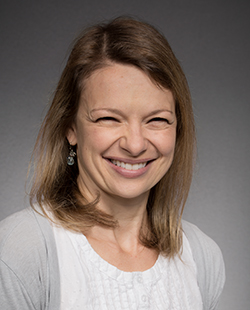
Personal Statement
I am a Clinical Assistant Professor in the Department of Psychiatry and Behavioral Sciences at the University of Washington. I received my MD from New York University and completed my adult residency at the Harvard Massachusetts General Hospital/McLean Hospital program where I was chief resident. I then went on to complete a fellowship in psychosomatic medicine at the University of Washington. I am currently on faculty at Harborview Medical Center on the inpatient psychiatry consult service.
I have a longstanding interest in the intersection between medicine and psychiatry, and am the author of numerous published articles on topics ranging from the neuropsychiatric effects of steroids to managing borderline personality disorder in the primary care setting. I have a particular interest in the use of electroconvulsive therapy, including in the treatment of catatonia. I am currently involved in research projects in conjunction with the division of nephrology and the neurosurgery department. In addition to my clinical and research interests, I am also an associate program director for the UW Adult Psychiatry Residency at Harborview Medical Center.
Personal Statement
I am an Associate Professor in the UW Department of Psychiatry and Behavioral Sciences at the University of Washington. I am currently on faculty at Harborview Medical Center on the inpatient psychiatry service. My specific area of expertise is in the evaluation and treatment of psychiatric disorders across the female life cycle, including psychiatric conditions through pregnancy and postpartum period. I am passionate about helping and supporting moms navigate challenges related to reproductive losses, pregnancy, birth, and the postpartum period.
Personal Statement
Early in my training it became clear that intense pathology transfixed me so inpatient psychiatry was a natural fit. My specific area of expertise within psychiatry is care of the acutely ill hospitalized psychiatric patient. I have also developed clinical expertise in the diagnosis and management of Catatonia. In addition to clinical care, education is another area of interest. I love to teach and it has been the focus of my career. I am intimately involved in the education of psychiatry residents and am a founding faculty member of the Clinician-Teacher Pathway for our residency program. In addition to teaching medical students and residents, I regularly educate primary care providers on detection and treatment of psychiatric illnesses in primary settings. I assumed the role of Vice Chair of Education in 2020 and in that role I oversee all educational efforts for our department.