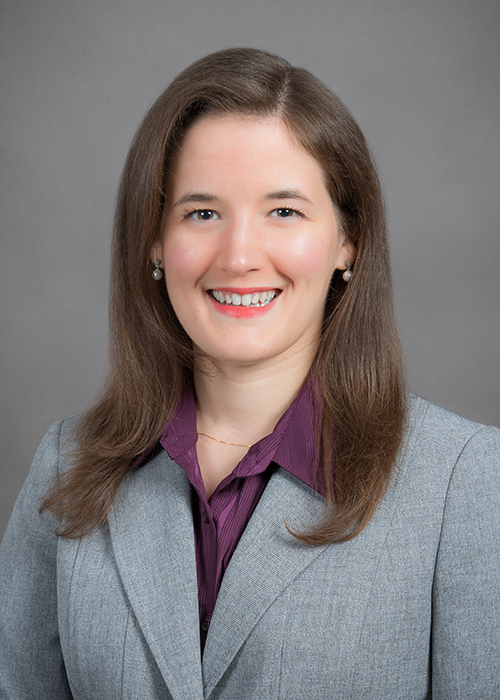
I am an epidemiologist and Assistant Professor in the Department of Psychiatry and Behavioral Sciences at the University of Washington. My research primarily focuses on improving mental health outcomes throughout the life course to support family wellbeing and thriving in low- and middle-income settings, with emphasis on: 1. men’s/father’s mental health and parenting skills, 2. digital mental health interventions to support families affected by early psychosis, 3. integrating perinatal mental health services into maternal-child health care. Current projects are based in East and West Africa. My work utilizes methods ranging from user-centered design of digital mental health interventions to advanced epidemiologic and statistical methods.
I am a faculty member and licensed clinical psychologist in the University of Washington’s Department of Psychiatry and Behavioral Sciences. Before joining this department, I completed my Ph.D. in clinical psychology at Purdue University, residency at the University of Washington, and fellowship at the University of Pennsylvania.
My research interests primarily center around romantic relationship functioning and personality disorder (PD) measurement. My line of PD research centers around how the use of a trait-based, dimensional approach to assessing and measuring PDs may increase construct validity, reliability, and diagnostic accuracy relating to PDs. My romantic relationship research centers around how romantic relationship functioning and interpersonal behaviors are associated with psychopathology diagnoses and symptoms.
As a clinician, I specialize in treating suicidality and self-harm using comprehensive Dialectical Behavior Therapy; in treating PTSD using Cognitive Processing Therapy and Prolonged Exposure; and in treating anxiety-related disorders using exposure therapies like Exposure and Response Prevention for OCD and Exposure for Social Anxiety. I am also passionate about providing couples’ therapy.
I am currently the Medical Director at the Garvey Institute Center for Neuromodulation and am providing leadership to help grow our portfolio in the area of Neuromodulation and Interventional Psychiatry. Before coming to the UW, I was the Muriel Harris Chair of Geriatric Psychiatry and Professor of Clinical Psychiatry at UCLA. While at UCLA, I held many administrative, clinical and teaching leadership positions including serving as Medical Director of Inpatient Geriatric Psychiatry, Chief of Staff of the UCLA Neuropsychiatric Hospital, Founding Faculty of the UCLA Neuromodulation Division, Medical Director of the ECT and Interventional Psychiatry Program, among others.
I recently became Editor-in-Chief of the Journal of ECT and Related Therapies, the official publication of the International Society of ECT and Neurostimulation. My research projects have included investigating various neuromodulation and interventional therapies and developing novel educational programs and curricula. I have an abiding interest in mentoring and helping faculty at the start of their careers and a commitment to fostering the advancement of women and underrepresented minority (URM) faculty in academic medicine.

My clinical and research interests center around neuropsychiatric symptoms that present in neurodegenerative diseases, especially dementias. Though dementia is well-known to affect one’s memory and cognition, over 90% of people with dementia develop new neuropsychiatric symptoms – including apathy, dysphoria. anxiety, aggression, agitation, disinhibition, hallucinations, and delusions. Despite the ubiquity of these symptoms, very little is known about how they develop in dementia. My research interests are in understanding more about the molecular and cellular mechanisms of neuropsychiatric symptoms in dementia beyond the well-studied changes associated with cognitive deficits. Most of my research portfolio is currently dedicated to determining the underlying molecular and cellular features differentiating apathy from dysphoria in Alzheimer’s Disease.
Along with my research mentor Martin Darvas PhD (Department of Laboratory Medicine and Pathology), we employ numerous approaches to better understand these neuropsychiatric symptoms, including techniques involving rigorous clinical phenotyping of neuropsychiatric symptoms, exploring peripheral immune cell changes via mass cytometry, transcriptomic analyses of human and mouse post-mortem tissue, development and implementation of biomarkers derived from human and animal model fluids (plasma, serum, cerebrospinal fluid), virally-mediated gene manipulations, animal modeling of cognitive and neuropsychiatric phenotypes, and basic cellular and molecular biology techniques.
I am a practicing psychiatrist and health services researcher whose research has focused on system-level strategies to deliver high-quality care in settings with few clinical resources or available specialists. I am board certified in general adult psychiatry and geriatric psychiatry and my clinical work has included provision of psychiatric outpatient, inpatient, and emergency services care. I am interested in leveraging existing community infrastructure and adapting evidence based clinical practices to suit community contexts to reduce treatment gaps.
I am a Research Associate Professor in the Department of Psychiatry and Behavioral Sciences and in the UW Psychology Department, where I am Director of the Center for the Science of Social Connection. I also am a member of the leadership team of the UW Medicine’s Office of Healthcare Equity, where I am Director of EDI Training and Education. My research and training efforts focus on understanding and intervening on bias and microaggressions, improving EDI training and consultation efforts, and developing close relationships especially across the differences that typically divide us.
I use the pronouns he, him, his.
My research broadly aims to better understand the etiology of depression and risk behaviors such as suicide and substance use across development, and translate findings to inform prevention and intervention strategies for youth and families. My work focuses on partnering with communities and primary care clinics to improve access to and use of effective mental health services.
My current projects include studies focused on adapting and evaluating suicide prevention intervention and implementation strategies for use with adolescents and their families in primary care and outpatient medical settings, including developing and adapting brief, just-in-time, and digital interventions to expand access to services.
In addition to research, I am also a clinical psychologist in the Mood and Anxiety Disorders Program and the Crisis Care Clinic at Seattle Children’s Hospital.