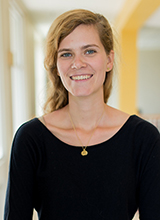
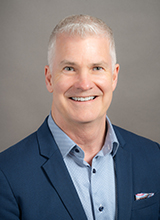
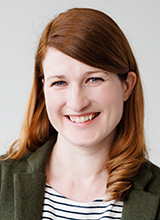
I am an Acting Assistant Professor in the Department of Psychiatry and Behavioral Sciences at the University of Washington, primarily working clinically at Harborview Medical Center. I work with the Recovery Clinic, Intake and Brief Intervention Services (IBIS), the Behavioral Health Integration Program (BHIP), and Addiction Consult Service.
I am fellowship-trained in Addiction Psychiatry, and board certified in both general and addiction psychiatry by the American Board of Psychiatry and Neurology. My passion is providing excellent, compassionate and comprehensive psychiatric care to my patients regardless of background or resources. I believe quality healthcare is a human right for all people and am excited help make that a reality as part of the Harborview system.
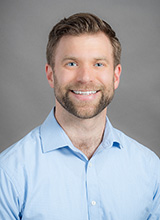
My lab based at Fred Hutch Cancer Center develops and tests acceptance-based therapies delivered in digital and telehealth platforms. The most preventable causes of premature death and human suffering are cigarette smoking and obesity. To this end, my research team focuses on designing, developing, and testing AI-based chatbot, smartphone app-delivered, and telephone coach-delivered contextual behavioral interventions for smoking cessation and for weight loss. Research aims include main outcome comparisons, mediators, moderators, intervention engagement, and therapeutic process predictors of outcome. This research is currently supported by multiple NIH R01-level grants. Our lab’s latest grant focuses on testing a smartphone app for helping American Indians and Alaska Natives stop smoking commercial cigarettes.
See links for further information:
https://research.fredhutch.org/habit/en/habit-group-members.html
https://en.wikipedia.org/wiki/Jonathan_Bricker
I am a clinical psychologist by training and an Assistant Professor at the University of Washington, Department of Psychiatry and Behavioral Sciences. I am also a Health Service Research Scientist at the Seattle-Denver HSR&D Center of Innovation for Veteran-Centered and Value-Driven Care at the VA Puget Sound Health Care System. My research program broadly focuses on bringing a more holistic approach to healthcare (i.e., mind, body, and spirit) and centers around two interconnected areas of investigation: 1) meaning-making and meaning in life among individuals with chronic pain and psychological distress (in particular, PTSD) and 2) developing and testing mind-body interventions that improve physical and emotional health and well-being. I am particularly interested in improving health for those in rural settings. My work has been supported by the National Center for Complementary and Integrative Health and the U.S. Department of Veterans Affairs.
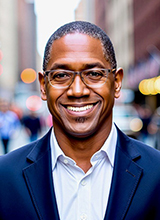
Dr. Clausell earned his doctoral degree in Clinical-Community Psychology from the University of Illinois at Urbana-Champaign in 2011. Dr. Clausell’s graduate research focused on the legacy of childhood attachment relationships on relationship satisfaction of Gay and Lesbian Romantic Couples. Results of this research were published in the journal Developmental Psychology (2008). He completed his Predoctoral Clinical Internship at Veterans Affairs Palo Alto Health Care System and served as a Postdoctoral Research Fellow in Clinical Psychology in the Department of Psychiatry and Behavioral Sciences, Stanford Medicine. Dr. Clausell currently serves as the Director of the Couples & Family Program at Veterans Affairs Puget Sound Health Care System, Seattle Division. In addition, Dr. Clausell serves as Lead Trainer and Consultant in VA Central Office of Family Services for the dissemination program of Integrative Behavioral Couple Therapy lead by Developer & Distinguished Research Professor Dr. Andrew Christensen, at University of California, Los Angeles. Currently, Dr. Clausell serves as clinical trainer and supervisor for Seattle VA’s Clinical training programs, including Predoctoral, Postdoctoral, and the University of Washington Department of Psychiatry and Behavioral Sciences Resident Program where he currently serves at Rotation Supervisor for the VA Outpatient Couple and Family Therapy Rotation.
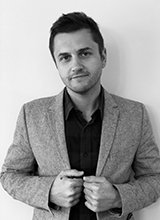
I am a clinical psychologist with specialized training in serious mental illness and inpatient psychiatric care. I earned my PhD from the University of Washington in 2023 after completing my pre-doctoral internship at the same institution, training in serious mental illness and inpatient care at Harborview Medical Center and psycho-oncology at Fred Hutch Cancer Center. My research focuses on developing novel technologies to support patients with serious mental illness, improving the provision of psychological interventions in the inpatient setting, and more efficiently and effectively training future generations of mental health clinicians. Toward this end, I study the use of artificial intelligence (AI) technologies in mental health care, including as training tools to expand the mental health care workforce. I also work as a psychologist on UW’s long-term civil commitment inpatient psychiatry program.
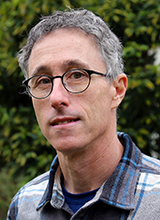
I am a Research Associate Professor in the Department of Psychiatry and Behavioral Sciences and in the UW Psychology Department, where I am Director of the Center for the Science of Social Connection. I also am a member of the leadership team of the UW Medicine’s Office of Healthcare Equity, where I am Director of EDI Training and Education. My research and training efforts focus on understanding and intervening on bias and microaggressions, improving EDI training and consultation efforts, and developing close relationships especially across the differences that typically divide us.
I use the pronouns he, him, his.
Koriann Cox, Ph.D. graduated from Northeastern University and is licensed in the state of Washington. She completed a postdoctoral fellowship in co-occurring addiction and mental health and has a range of clinical experience with a variety of concerns including depression, anxiety, trauma, reproductive mental health, and substance and behavioral addictions. Dr. Cox’s strengths-focused approach emphasizes the mutual development of goals for therapy and ongoing collaboration between herself, the patient, and the care team. Dr. Cox uses a number of therapeutic modalities including but not limited to Cognitive Behavioral Therapy, Acceptance and Commitment Therapy, and Cognitive Processing Therapy.