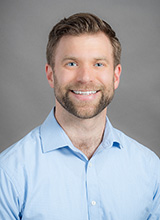
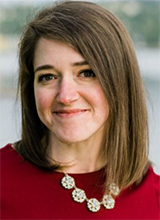
I am an Acting Assistant Professor in the Department of Psychiatry and Behavioral Sciences at the University of Washington, primarily working clinically at Harborview Medical Center. I work with the Recovery Clinic, Intake and Brief Intervention Services (IBIS), the Behavioral Health Integration Program (BHIP), and Addiction Consult Service.
I am fellowship-trained in Addiction Psychiatry, and board certified in both general and addiction psychiatry by the American Board of Psychiatry and Neurology. My passion is providing excellent, compassionate and comprehensive psychiatric care to my patients regardless of background or resources. I believe quality healthcare is a human right for all people and am excited help make that a reality as part of the Harborview system.
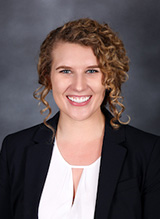
Christina Warner, MD (she/her) is the attending psychiatrist for the Early Psychosis Clinic and Partial Hospitalization Program at Seattle Children’s Hospital. She has clinical expertise in mood disorders, psychosis spectrum disorders, First Episode Psychosis, chronic suicidality, mood dysregulation, neurodiversity, and Dialectical Behavior Therapy.
Dr. Warner is a Washington native and graduate of the Seattle Public School system with a vested interest in expanding access to high quality mental health care in her community.
I am a trained Behavioral Scientist with a PhD in Health & Human Performance. The main goal of my work is to reduce substance-related harms and improve quality of life for people experiencing problems related to their substance use. I work closely with community members who use drugs to inform my line of research and address key needs identified. My primary appointment is at the Harm Reduction Research and Treatment (HaRRT) Center within the UW School of Medicine and hold an Affiliate Faculty appointment within the School of Public Health. My aim is to adapt, refine, and disseminate harm reduction programs through digital health interventions to empower individuals and ameliorate substance-related harms.
My scholarship is dedicated to reducing behavioral health disparities in Indigenous, immigrant and refugee communities. I have 13 years of experience and expertise in community-based participatory research (CBPR) science and practice, mixed-methods multi-level research design, cultural adaptation and translation of evidenced based interventions and culture-based practices, survey and measurement development, and dissemination and translation of findings. I am interested in examining culture-centered, land-based healing practices and mechanisms in addressing substance use, sexual health, and climate change impact.
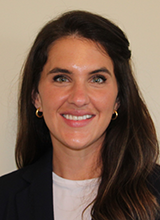
Dr. Prater holds a doctorate in public health from the Ohio State University, with a focus in health services research, pragmatic intervention development and policy evaluation. Her work focuses on understanding the circumstances around firearm suicide among vulnerable populations and developing health systems interventions for suicide prevention through firearm safety. Using a public health lens, she works on tailoring interventions to meet the unique needs of vulnerable populations (e.g. dementia, terminal illness) at increased risk for suicidal thoughts and behaviors. She is currently funded by the National Institutes on Aging and the American Foundation for Suicide Prevention to produce clinical decision-making tools to help persons with early dementia, their care partners, and primary clinicians, to make safer plans for firearm storage.
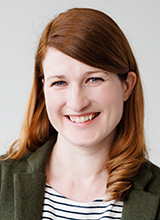
Koriann Cox, Ph.D. graduated from Northeastern University and is licensed in the state of Washington. She completed a postdoctoral fellowship in co-occurring addiction and mental health and has a range of clinical experience with a variety of concerns including depression, anxiety, trauma, reproductive mental health, and substance and behavioral addictions. Dr. Cox’s strengths-focused approach emphasizes the mutual development of goals for therapy and ongoing collaboration between herself, the patient, and the care team. Dr. Cox uses a number of therapeutic modalities including but not limited to Cognitive Behavioral Therapy, Acceptance and Commitment Therapy, and Cognitive Processing Therapy.
Dr. Blayney’s research aims to understand the risks for and consequences of sexual victimization. More specifically, this work centers around how social contexts influence sexual victimization risk as well as variation in post-victimization recovery, such as posttraumatic stress disorder, alcohol use, and sexual risk behaviors.