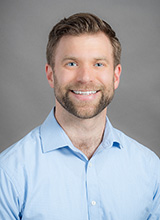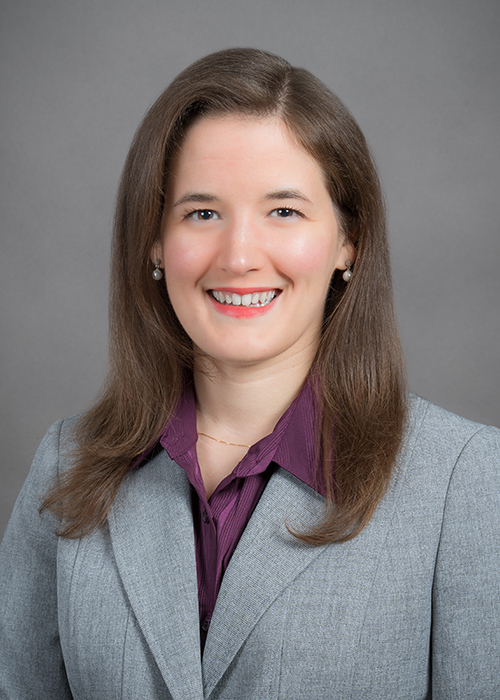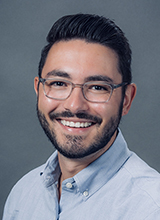
Dr. Antoine Lebeaut is a licensed clinical psychologist and an Acting Assistant Professor in the Department of Psychiatry and Behavioral Sciences at the University of Washington. He specializes in the treatment of posttraumatic stress and anxiety, with a particular focus on co-occurring conditions. His research centers on identifying risk and maintenance factors for posttraumatic stress and problematic alcohol use among adults and first responder populations, as well as developing and adapting trauma-informed strategies to improve the accessibility and efficacy of evidence-based behavioral health approaches.
Dr. Lebeaut’s work has been presented at national and international conferences, published in several peer-reviewed journals, and funded by the American Psychological Association, National Institute on Alcohol Abuse and Alcoholism, American Psychological Foundation, and the National Register of Health Service Psychologists.
He aims to advance community-driven, trauma-informed, and scalable behavioral health approaches through collaborations with local, state, and federal partners to support applied research, training, and clinical service delivery for first responders. Dr. Lebeaut also provides psychotherapy to patients at the University of Washington’s Outpatient Psychiatry Clinic and provides clinical supervision and training in CBT to psychiatry residents.
I am an Acting Assistant Professor in the Department of Psychiatry and Behavioral Sciences at the University of Washington, primarily working clinically at Harborview Medical Center. I work with the Recovery Clinic, Intake and Brief Intervention Services (IBIS), the Behavioral Health Integration Program (BHIP), and Addiction Consult Service.
I am fellowship-trained in Addiction Psychiatry, and board certified in both general and addiction psychiatry by the American Board of Psychiatry and Neurology. My passion is providing excellent, compassionate and comprehensive psychiatric care to my patients regardless of background or resources. I believe quality healthcare is a human right for all people and am excited help make that a reality as part of the Harborview system.
Dr. Dahyeon Kang is an Assistant Professor at the University of Washington School of Medicine. She earned her doctoral degree from the University of Illinois at Urbana-Champaign, where her work focused on the etiology of alcohol and substance use disorders through multimodal research methods, including alcohol administration, neuroimaging, transdermal biosensors, and ecological momentary assessments. At the University of Washington’s Department of Psychiatry, Dr. Kang investigates how individual and social factors interact to influence alcohol and cannabis use behaviors.
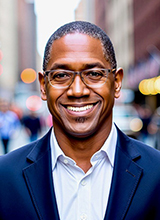
Dr. Clausell earned his doctoral degree in Clinical-Community Psychology from the University of Illinois at Urbana-Champaign in 2011. Dr. Clausell’s graduate research focused on the legacy of childhood attachment relationships on relationship satisfaction of Gay and Lesbian Romantic Couples. Results of this research were published in the journal Developmental Psychology (2008). He completed his Predoctoral Clinical Internship at Veterans Affairs Palo Alto Health Care System and served as a Postdoctoral Research Fellow in Clinical Psychology in the Department of Psychiatry and Behavioral Sciences, Stanford Medicine. Dr. Clausell currently serves as the Director of the Couples & Family Program at Veterans Affairs Puget Sound Health Care System, Seattle Division. In addition, Dr. Clausell serves as Lead Trainer and Consultant in VA Central Office of Family Services for the dissemination program of Integrative Behavioral Couple Therapy lead by Developer & Distinguished Research Professor Dr. Andrew Christensen, at University of California, Los Angeles. Currently, Dr. Clausell serves as clinical trainer and supervisor for Seattle VA’s Clinical training programs, including Predoctoral, Postdoctoral, and the University of Washington Department of Psychiatry and Behavioral Sciences Resident Program where he currently serves at Rotation Supervisor for the VA Outpatient Couple and Family Therapy Rotation.
I am a clinical psychologist with specialized training in serious mental illness and inpatient psychiatric care. I earned my PhD from the University of Washington in 2023 after completing my pre-doctoral internship at the same institution, training in serious mental illness and inpatient care at Harborview Medical Center and psycho-oncology at Fred Hutch Cancer Center. My research focuses on developing novel technologies to support patients with serious mental illness, improving the provision of psychological interventions in the inpatient setting, and more efficiently and effectively training future generations of mental health clinicians. Toward this end, I study the use of artificial intelligence (AI) technologies in mental health care, including as training tools to expand the mental health care workforce. I also work as a psychologist on UW’s long-term civil commitment inpatient psychiatry program.
Hello! I’m the medical director for the Long Term Civil Commitment Units at the Center for Behavioral Health and Learning. This is a new program as of July 2024 and I am excited to help get it off the ground. I completed my medical school training at the University of Cincinnati, then residency at Oregon Health & Science University, then addiction psychiatry fellowship at UW, then worked at the Puget Sound VA for five years and Providence Swedish for six years prior to starting at UW. I’m thrilled to be part of the team here and looking forward to this next chapter in my career.
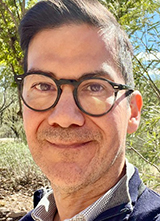
I am currently the Medical Director at the Garvey Institute Center for Neuromodulation and am providing leadership to help grow our portfolio in the area of Neuromodulation and Interventional Psychiatry. Before coming to the UW, I was the Muriel Harris Chair of Geriatric Psychiatry and Professor of Clinical Psychiatry at UCLA. While at UCLA, I held many administrative, clinical and teaching leadership positions including serving as Medical Director of Inpatient Geriatric Psychiatry, Chief of Staff of the UCLA Neuropsychiatric Hospital, Founding Faculty of the UCLA Neuromodulation Division, Medical Director of the ECT and Interventional Psychiatry Program, among others.
I recently became Editor-in-Chief of the Journal of ECT and Related Therapies, the official publication of the International Society of ECT and Neurostimulation. My research projects have included investigating various neuromodulation and interventional therapies and developing novel educational programs and curricula. I have an abiding interest in mentoring and helping faculty at the start of their careers and a commitment to fostering the advancement of women and underrepresented minority (URM) faculty in academic medicine.
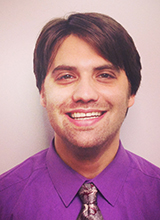
My clinical and research interests center around neuropsychiatric symptoms that present in neurodegenerative diseases, especially dementias. Though dementia is well-known to affect one’s memory and cognition, over 90% of people with dementia develop new neuropsychiatric symptoms – including apathy, dysphoria. anxiety, aggression, agitation, disinhibition, hallucinations, and delusions. Despite the ubiquity of these symptoms, very little is known about how they develop in dementia. My research interests are in understanding more about the molecular and cellular mechanisms of neuropsychiatric symptoms in dementia beyond the well-studied changes associated with cognitive deficits. Most of my research portfolio is currently dedicated to determining the underlying molecular and cellular features differentiating apathy from dysphoria in Alzheimer’s Disease.
Along with my research mentor Martin Darvas PhD (Department of Laboratory Medicine and Pathology), we employ numerous approaches to better understand these neuropsychiatric symptoms, including techniques involving rigorous clinical phenotyping of neuropsychiatric symptoms, exploring peripheral immune cell changes via mass cytometry, transcriptomic analyses of human and mouse post-mortem tissue, development and implementation of biomarkers derived from human and animal model fluids (plasma, serum, cerebrospinal fluid), virally-mediated gene manipulations, animal modeling of cognitive and neuropsychiatric phenotypes, and basic cellular and molecular biology techniques.
I am a trained Behavioral Scientist with a PhD in Health & Human Performance. The main goal of my work is to reduce substance-related harms and improve quality of life for people experiencing problems related to their substance use. I work closely with community members who use drugs to inform my line of research and address key needs identified. My primary appointment is at the Harm Reduction Research and Treatment (HaRRT) Center within the UW School of Medicine and hold an Affiliate Faculty appointment within the School of Public Health. My aim is to adapt, refine, and disseminate harm reduction programs through digital health interventions to empower individuals and ameliorate substance-related harms.