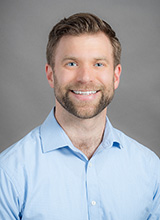
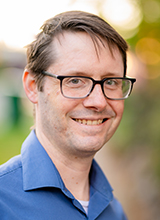
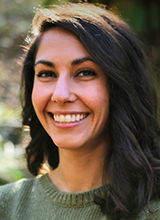
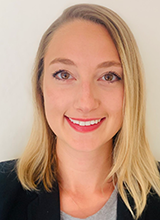
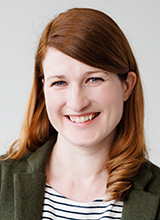
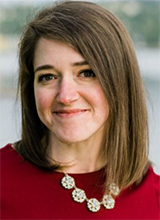
I am an Acting Assistant Professor in the Department of Psychiatry and Behavioral Sciences at the University of Washington, primarily working clinically at Harborview Medical Center. I work with the Recovery Clinic, Intake and Brief Intervention Services (IBIS), the Behavioral Health Integration Program (BHIP), and Addiction Consult Service.
I am fellowship-trained in Addiction Psychiatry, and board certified in both general and addiction psychiatry by the American Board of Psychiatry and Neurology. My passion is providing excellent, compassionate and comprehensive psychiatric care to my patients regardless of background or resources. I believe quality healthcare is a human right for all people and am excited help make that a reality as part of the Harborview system.
My lab based at Fred Hutch Cancer Center develops and tests acceptance-based therapies delivered in digital and telehealth platforms. The most preventable causes of premature death and human suffering are cigarette smoking and obesity. To this end, my research team focuses on designing, developing, and testing AI-based chatbot, smartphone app-delivered, and telephone coach-delivered contextual behavioral interventions for smoking cessation and for weight loss. Research aims include main outcome comparisons, mediators, moderators, intervention engagement, and therapeutic process predictors of outcome. This research is currently supported by multiple NIH R01-level grants. Our lab’s latest grant focuses on testing a smartphone app for helping American Indians and Alaska Natives stop smoking commercial cigarettes.
See links for further information:
https://research.fredhutch.org/habit/en/habit-group-members.html
https://en.wikipedia.org/wiki/Jonathan_Bricker
Dr. Dahyeon Kang is an Assistant Professor at the University of Washington School of Medicine. She earned her doctoral degree from the University of Illinois at Urbana-Champaign, where her work focused on the etiology of alcohol and substance use disorders through multimodal research methods, including alcohol administration, neuroimaging, transdermal biosensors, and ecological momentary assessments. At the University of Washington’s Department of Psychiatry, Dr. Kang investigates how individual and social factors interact to influence alcohol and cannabis use behaviors.
I am a clinical psychologist with specialized training in serious mental illness and inpatient psychiatric care. I earned my PhD from the University of Washington in 2023 after completing my pre-doctoral internship at the same institution, training in serious mental illness and inpatient care at Harborview Medical Center and psycho-oncology at Fred Hutch Cancer Center. My research focuses on developing novel technologies to support patients with serious mental illness, improving the provision of psychological interventions in the inpatient setting, and more efficiently and effectively training future generations of mental health clinicians. Toward this end, I study the use of artificial intelligence (AI) technologies in mental health care, including as training tools to expand the mental health care workforce. I also work as a psychologist on UW’s long-term civil commitment inpatient psychiatry program.
Hello! I’m the medical director for the Long Term Civil Commitment Units at the Center for Behavioral Health and Learning. This is a new program as of July 2024 and I am excited to help get it off the ground. I completed my medical school training at the University of Cincinnati, then residency at Oregon Health & Science University, then addiction psychiatry fellowship at UW, then worked at the Puget Sound VA for five years and Providence Swedish for six years prior to starting at UW. I’m thrilled to be part of the team here and looking forward to this next chapter in my career.
I am a trained Behavioral Scientist with a PhD in Health & Human Performance. The main goal of my work is to reduce substance-related harms and improve quality of life for people experiencing problems related to their substance use. I work closely with community members who use drugs to inform my line of research and address key needs identified. My primary appointment is at the Harm Reduction Research and Treatment (HaRRT) Center within the UW School of Medicine and hold an Affiliate Faculty appointment within the School of Public Health. My aim is to adapt, refine, and disseminate harm reduction programs through digital health interventions to empower individuals and ameliorate substance-related harms.
Dr. Walukevich-Dienst (hear my name) is a licensed clinical psychologist and an Assistant Professor at the University of Washington.
Her research is focused on identifying psychosocial and contextual factors associated with alcohol and cannabis misuse and co-use among young adults, including social influences (e.g., romantic partners, use partnerships), affect management motives, co-occurring mental health concerns, and high-risk substance use events and contexts.
Dr. Walukevich-Dienst aims to leverage this information to develop and test innovative, technology-informed prevention and intervention efforts to disseminate in real world settings.
She also provides psychotherapy to patients at the University of Washington’s Outpatient Psychiatry Clinic and provides supervision and training to psychology graduate students and psychiatry residents in Cognitive Behavioral Therapy.
Link to Dr. Walukevich-Dienst’s CV.
Koriann Cox, Ph.D. graduated from Northeastern University and is licensed in the state of Washington. She completed a postdoctoral fellowship in co-occurring addiction and mental health and has a range of clinical experience with a variety of concerns including depression, anxiety, trauma, reproductive mental health, and substance and behavioral addictions. Dr. Cox’s strengths-focused approach emphasizes the mutual development of goals for therapy and ongoing collaboration between herself, the patient, and the care team. Dr. Cox uses a number of therapeutic modalities including but not limited to Cognitive Behavioral Therapy, Acceptance and Commitment Therapy, and Cognitive Processing Therapy.