Christina N. Clayton

Christina has been in the behavioral health field since 1993, primarily serving adults who live with severe mental health issues, substance use, experience chronic homelessness, suffer from poor physical health, trauma and any number of co-occurring issues.

Prior to joining UW, she spent 25 years working in and managing numerous clinical programs including: HIV/AIDS housing and health care, school-based mental health, substance use outreach and treatment, homeless mental health outreach, intensive case management, assertive community treatment, crisis respite, integrated care, housing first and other evidence-based practices.  She has provided licensure supervision, training and consultation, and has worked on multi-disciplinary teams in a number of settings.  She highly values her years of clinical direct service and program management experience.

She has also been involved with the UW School of Social Work since getting her MSW, working with dozens of graduate and undergraduate students, teaching courses and workshops, presenting on panels.  She served as an Interim Assistant Dean and Director of Field Education from and currently is a Clinical Associate Professor.

For the Northwest MHTTC, a SAMHSA-funded regional training & TA center (2018-24), Christina co-directed the team and helped plan and oversee training for the mental health workforce in HHS Region 10 (AK/ID/OR/WA).  Activities include live webinars, research/practice briefs, online self-paced courses, learning communities and intensive cohort-based training. Most of this training was conducted virtually in collaboration with numerous faculty, instructional designers and presenters.

Currently, she humbly serves as Co-Chair for the PBSCI Department’s Equity, Diversity and Inclusion Staff Committee.

Starting in fall 2024, Christina now co-directs the Pacific West HUB of the new national Center for Mental Health Implementation Support (CMHIS), led by Stanford’s Center for Dissemination and Implementation (CDI). The MHDIS project will build the capacity to select and implement evidence-supported practices and programs, sharing pragmatic, accessible guidance and the West Coast MHTAC serves HHS regions 9 and 10.

She is grateful to all the staff and faculty who choose to work in this field, as it is their collective energy, passion, dedication and commitment to social justice that supports the people we serve and brings real change to our communities.  Most importantly, she is honored to work with people who every day, live their experience and share their journey through advocacy as they strive for a world where behavioral health is adequately supported and everyone can thrive equitably.
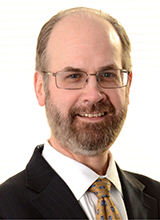
Charles C. Engel

Dr. Charles Engel is Professor in the Department of Psychiatry and Behavioral Sciences at the University of Washington School of Medicine, Core VA HSR Investigator in the Seattle Center for Innovation, Co-Director of the Center’s Advanced Fellowship on Health Systems Research, and Adjunct Physician Policy Researcher at the RAND Corporation. Engel’s work focuses on trauma-informed health systems and strategies for improving the quality of primary care for chronic mental and physical health conditions. His research has covered traumatic injury and post-trauma syndromes ranging from blast injury, mild traumatic brain injury and Gulf War syndrome to PTSD and depression. Engel is experienced at mixed qualitative and quantitative methods and has led large pragmatic randomized trials, program evaluations, and implementation science studies. He has authored or coauthored nearly 200 scholarly papers, including in the New England Journal of Medicine, JAMA, and the American Journal of Psychiatry. Funding for his work has come from the National Institutes of Health, Centers for Disease Control, Department of Veterans Affairs, Department of Defense and other organizations. Before joining UW Psychiatry and the AIMS Center in 2021, Dr. Engel was Senior Physician Policy Researcher at the RAND Corporation from 2013 to 2020 and Associate Chair (Research) at Uniformed Services University’s Department of Psychiatry from 2001-2013. Engel has served on the board of directors of the International Society for Traumatic Stress Studies, has testified twice before Congress, received a number of awards, and delivered invited lectures in over 10 countries. He received both his MD and MPH from the University of Washington.

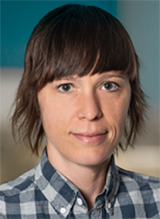
Amy Curtis

I am a child and adolescent psychiatrist at Seattle Children’s Hospital and faculty member at the University of Washington Medicine. My SCH practice locations include the Gender Clinic (Adolescent Medicine), Outpatient Psychiatry Clinic, Autism Center, and the inpatient unit- Psychiatry and Behavioral Medicine Unit (PBMU). I believe in delivering compassionate, evidence-based care in supporting patients and their families. My approach is both comprehensive and patient-centered, as it is important to consider the needs of the individual while also appreciating societal and cultural context. I specialize in working with diverse patient populations with various marginalized identities, such as those who identify as LGBTQ, gender diverse, and/or neurodiverse. I also work closely with the Adolescent Medicine Gender Clinic in supporting any mental health needs of transgender/gender diverse youth and their families. I also collaborate with colleagues in specialty medical clinics to coordinate care of medically complex patients. Additionally, I serve as a consultant with various school programs to support mental health initiatives and advocacy efforts.

Academically, I am involved with several initiatives both locally and nationally, particularly those that work to promote diversity and equity. I serve on committees supporting the SCH/UW CAP Fellowship Program, educating trainees and students through direct clinical supervision as well as with lectures and discussions. On a national level, I serve on the Sexual Orientation and Gender Identity Issues Committee (SOGIIC) for the American Academy of Child and Adolescent Psychiatry (AACAP). My clinical research focuses on finding strategies to better support the mental health and well-being of patients and families who are LGBTQ+. Additionally, I work on studies that explore the intersection between gender diversity and neuro diversity/autism spectrum. 

Christos Dagadakis

Personal Statement

I have had a career long interest and focus on crisis and stress management,  and assessment of disability. My 19 years as director of emergency psychiatry initially at UW Medical Center and later Harborview Medical Center and current work as an attending psychiatrist and past 20 years as Medical Director of the Harborview Mental Health Services intake and Brief Intervention Service have been where I have worked with families and individuals with acute stress , mental illness , and/or both together( usually these are together) have been my source of knowledge and practical experience. Thirty one years of doing consultation and assessments about disability have given me an appreciation for the severe impact of mental disorder on function and relationships. Teaching stress management classes and doing workshops and consultation with multiple companies and organizations have focused me on efforts to prevention whenever possible. Initial prevention is almost always preferable to needing to do stabilization and reconstitution and subsequent preventive efforts.  in summary, prevention efforts whether initially or after crisis have been and are a major focus and value for me. ​

Katherine Anne (Kate) Comtois

Personal Statement

My career goal is to give suicidal clients and their clinicians the best chance to succeed. I have been working in the area of health services, treatment development, and clinical trials research to prevent suicide for over 20 years. My graduate training was in community/clinical psychology and focused on achieving clinical ends through prevention and other systemic interventions in socio-culturally diverse populations. I have brought these perspectives into health services research.  I have developed or adapted interventions to improve care and clinician willingness to work with suicidal patients including Caring Contacts, Dialectical Behavior Therapy (DBT), Collaborative Assessment and Management of Suicidality (CAMS), and Preventing Addiction Related Suicide (PARS). I have developed an adaptation of DBT, Accepting the Challenges of Employment and Self-Sufficiency (DBT-ACES), a program to assist psychiatrically disabled individuals find and maintain living wage employment. My research has been funded by NIMH, NIDA, the Department of Defense, American Foundation for Suicide Prevention, the Department of Veteran Health Affairs, and the State of Washington.

I am the director of the Center for Suicide Prevention and Recovery (CSPAR) whose mission is to promote the recovery of suicidal individuals and the effectiveness and well-being the clinicians and families who care for them by conducting rigorous and ecologically valid research, developing innovative interventions, improving policies, systems and environments of care, and providing expert training and consultation. CSPAR faculty and staff seek a deep understanding of the cultures and settings in which we work that leads to meaningful and effective interventions ready for implementation.

In addition to clinical research, I founded the Society for Implementation Research Collaboration (SIRC) and am the PI and Director of the Military Suicide Research Consortium Dissemination and Implementation core.  These organizations focus on disseminating and implementing innovative, evidence-based interventions in the systems that need them. Beyond my research, I directed the Harborview Dialectical Behavior Therapy program at Harborview Medical Center 1996-2019, co-lead the UW DBT Training Program and have a long history of training and mentoring junior faculty, fellows, psychiatry residents, pre-doctoral psychology interns, undergraduate students, and post-baccalaureate trainees. I provide psychotherapy and consultation at the UWMC Outpatient Psychiatry Clinic.

Jennifer Piel

Personal Statement

As a clinical and forensic psychiatrist, my professional roles include being the Director of the UW Center for Mental Health, Policy, and the Law; Associate Professor in the Department of Psychiatry; and a Staff Psychiatrist at the VA Puget Sound.  I hold multiple board certifications: Psychiatry, Forensic Psychiatry, Brain Injury Medicine, and Sports and Performance Psychiatry. In addition to my medical training, I earned my law degree from the University of Washington. As a member of the American Academy of Psychiatry and the Law (AAPL), I serve on the Ethics, Research, and Resident Education Committees and I twice earned AAPL’s Young Investigator Award. I am the Legal Digest Editor for the Journal of the American Academy of Psychiatry and the Law. I have served as an expert witness or consultant in legal cases involving criminal and civil competencies; criminal responsibility; malpractice; personal injury; sexual and gender harassment; and fitness for duty, among others. I teach courses in forensic mental health at the University of Washington and speak locally and nationally on topics related to psychiatry and the law.