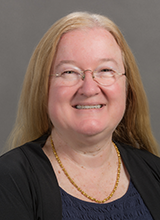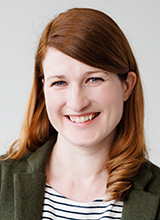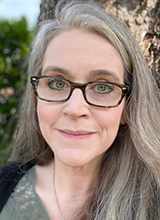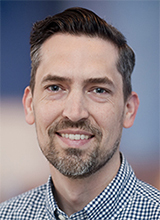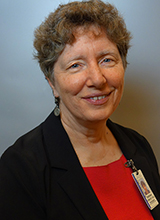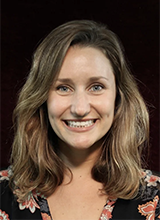
Dr. Sandel-Fernandez’s research is focused on predicting impulsive and risk behaviors as they occur in people’s daily lives. She has conducted numerous studies using ecological momentary assessment (EMA) and self-monitoring data from therapy to build person-specific models of symptom dynamics including self-harm, substance use, and suicide attempts.
Dr. Sandel-Fernandez often takes an idiographic (person-specific) analysis approach to answer the question of when in time a person is most at risk for engaging in behaviors they would like to avoid, based on their context, emotions, and personal triggers. Her career goal is to improve treatment outcomes by tailoring evidence-based care to people’s diverse symptom experiences.
Dr. Sandel-Fernandez also studies the use of digital tools and AI in mental health research, training, and treatment. This currently includes: prediction of suicide risk from internet (Google, YouTube, and TikTok) use, a pilot of mobile suicide risk monitoring in UW primary care, and development of an AI-supported simulation training laboratory with simulated patients that trainees can use to hone their clinical skills.
I recently joined the faculty at UW and am the new program director for the general residency program. I am excited to be here! I have been working in graduate medical education and have been a program director for over 14 years. Although my major focus is graduate medical education, I am also passionate about patient safety, quality improvement, and healthcare risk management. Additionally, I have a background in basic research with expertise in virology, microbiology, and immunology.
Koriann Cox, Ph.D. graduated from Northeastern University and is licensed in the state of Washington. She completed a postdoctoral fellowship in co-occurring addiction and mental health and has a range of clinical experience with a variety of concerns including depression, anxiety, trauma, reproductive mental health, and substance and behavioral addictions. Dr. Cox’s strengths-focused approach emphasizes the mutual development of goals for therapy and ongoing collaboration between herself, the patient, and the care team. Dr. Cox uses a number of therapeutic modalities including but not limited to Cognitive Behavioral Therapy, Acceptance and Commitment Therapy, and Cognitive Processing Therapy.
Dr. Russell’s professional interests include ADHD, integrated/collaborative care, prevention and complementary/integrative approaches to child and adolescent mental health. He takes a holistic approach to psychiatric well-being that extends beyond medications and psychotherapy to include other evidence-based practices shown to improve brain health including regular exercise, time in nature, supportive social interactions, mind-body activities, good nutrition and sleep hygiene.

Personal Statement
I am a board certified psychiatrist and work at Fred Hutchinson Cancer Center. I am a Clinical Assistant Professor of Psychiatry and Behavioral Sciences at the University of Washington. I obtained a fellowship in consultation-liaison psychiatry, a specialty that focuses on providing psychiatric care for people with complex medical conditions. My primary clinical focus is people with cancer.
I love my work. Being ill is a vulnerable time and my goal is to ease suffering and provide a sense of connection and understanding for all I work with. I believe in working collaboratively with patients and families. We work together to identify what the goals of treatment are. I have expertise in diagnosis, psychopharmacology and psychotherapy and adapt my recommendations to best serve the goals of the person before me.
I am also passionate about education. I am the site director at Fred Hutch Cancer Center for our Psycho-oncology Fellowship Program. I supervise Cl fellows, addiction fellows, psychiatry residents and provide education to social workers and psychology trainees.
Personal Statement
I am an Associate Professor in the UW Department of Psychiatry and Behavioral Sciences at the University of Washington. I am currently on faculty at Harborview Medical Center on the inpatient psychiatry service. My specific area of expertise is in the evaluation and treatment of psychiatric disorders across the female life cycle, including psychiatric conditions through pregnancy and postpartum period. I am passionate about helping and supporting moms navigate challenges related to reproductive losses, pregnancy, birth, and the postpartum period.
Personal Statement
My primary clinical interest and expertise is in the evaluation and treatment of women with mental health issues during pregnancy and postpartum, as well as women’s mental health throughout the life cycle, including premenstrual and menopause-related psychiatric symptoms. In addition, I am interested and experienced in evaluation and treatment of anxiety disorders and depression.
Personal Statement
My areas of expertise are perinatal psychiatry, psychotherapy and collaborative care.
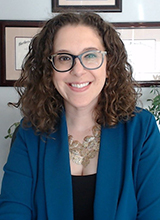
Thank you for your interest in learning more about me! My name is Dr. Ruth Varkovitzky (she/her) and I am a licensed clinical psychologist. I use a culturally sensitive evidence based approach in my clinical work; combining the best science while tailoring therapy to each individual. In the spirit of providing the highest quality of care possible, I am board certified in Behavioral and Cognitive Psychology by the American Board of Professional Psychology.
I specialize in providing therapy for trauma and sleep disorders, such as PTSD and insomnia. In addition, I offer a variety of treatments to address problems with depression, anxiety, and OCD. Supporting folks with these challenges is my passion; it’s an honor to work alongside my clients and see them heal and grow.
Public service has always been part of my journey, including collaboration with shelters for survivors of domestic violence, the Department of Veterans Affairs, the University of Washington Department of Psychiatry and Behavioral Sciences, and the Washington State Board of Psychologist Examiners. In addition to my passion for clinical work, I’ve enjoyed contributing to psychological science through academic and media publications. I established my private practice Renewal Psychology to offer my services to clients in Washington as well as the many state members of the Psychology Interjurisdictional Compact (PSYPACT).
I welcome being connected! Please reach out to me by email at: drruth@renewalpsych.com.