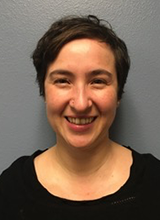
Dr. Katherine Seldin is a faculty member and licensed clinical psychologist in the University of Washington’s Department of Psychiatry and Behavioral Sciences. Before joining this department, Dr. Seldin completed her PhD in Clinical Psychology at the University of Washington, residency at Northwestern University Feinberg School of Medicine, and fellowship at the University of Ilinois Chicago.
Dr. Seldin specializes in delivering evidence-based cognitive behavioral therapies (CBTs), including mindfulness-based and exposure-based psychotherapies such as Acceptance and Commitment Therapy (ACT) and Exposure and Response Prevention (ERP). Her research interests include mood disorders, sleep, digital intervention, emotional impulsivity, and ecological momentary assessment methodology.
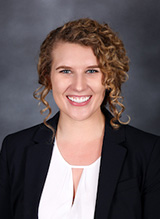
Rie Sharky, MD, is a board-certified child and adolescent psychiatrist at the Child Study and Treatment Center through the Behavioral Health Administration of the Washington State Department of Social and Health Services. There she provides inpatient psychiatric care across developmental stages, with particular interest in working with the youngest youth and extensive experience caring for older children, adolescents, and transitional-age youth. She enjoys working with individuals of all ages and their families, especially in the context of complex medication regimens and significant psychosocial and systemic challenges.
Dr. Sharky is committed to improving outcomes for young people facing complex mental health needs and structural barriers to care. Her clinical approach emphasizes the development of meaningful, collaborative therapeutic relationships with youth and the caregivers and systems that support them.

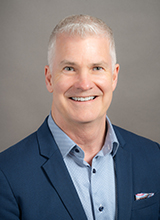
Dr. Clausell earned his doctoral degree in Clinical-Community Psychology from the University of Illinois at Urbana-Champaign in 2011. Dr. Clausell’s graduate research focused on the legacy of childhood attachment relationships on relationship satisfaction of Gay and Lesbian Romantic Couples. Results of this research were published in the journal Developmental Psychology (2008). He completed his Predoctoral Clinical Internship at Veterans Affairs Palo Alto Health Care System and served as a Postdoctoral Research Fellow in Clinical Psychology in the Department of Psychiatry and Behavioral Sciences, Stanford Medicine. Dr. Clausell currently serves as the Director of the Couples & Family Program at Veterans Affairs Puget Sound Health Care System, Seattle Division. In addition, Dr. Clausell serves as Lead Trainer and Consultant in VA Central Office of Family Services for the dissemination program of Integrative Behavioral Couple Therapy lead by Developer & Distinguished Research Professor Dr. Andrew Christensen, at University of California, Los Angeles. Currently, Dr. Clausell serves as clinical trainer and supervisor for Seattle VA’s Clinical training programs, including Predoctoral, Postdoctoral, and the University of Washington Department of Psychiatry and Behavioral Sciences Resident Program where he currently serves at Rotation Supervisor for the VA Outpatient Couple and Family Therapy Rotation.
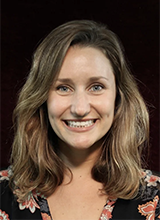
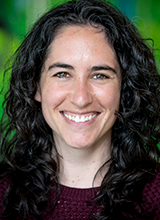
Dr. Sandel-Fernandez’s research is focused on predicting impulsive and risk behaviors as they occur in people’s daily lives. She has conducted numerous studies using ecological momentary assessment (EMA) and self-monitoring data from therapy to build person-specific models of symptom dynamics including self-harm, substance use, and suicide attempts.
Dr. Sandel-Fernandez often takes an idiographic (person-specific) analysis approach to answer the question of when in time a person is most at risk for engaging in behaviors they would like to avoid, based on their context, emotions, and personal triggers. Her career goal is to improve treatment outcomes by tailoring evidence-based care to people’s diverse symptom experiences.
Dr. Sandel-Fernandez also studies the use of digital tools and AI in mental health research, training, and treatment. This currently includes: prediction of suicide risk from internet (Google, YouTube, and TikTok) use, a pilot of mobile suicide risk monitoring in UW primary care, and development of an AI-supported simulation training laboratory with simulated patients that trainees can use to hone their clinical skills.
Christina Warner, MD (she/her) is the attending psychiatrist for the Early Psychosis Clinic and Partial Hospitalization Program at Seattle Children’s Hospital. She has clinical expertise in mood disorders, psychosis spectrum disorders, First Episode Psychosis, chronic suicidality, mood dysregulation, neurodiversity, and Dialectical Behavior Therapy.
Dr. Warner is a Washington native and graduate of the Seattle Public School system with a vested interest in expanding access to high quality mental health care in her community.
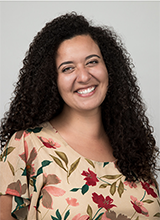
I am a faculty member and licensed clinical psychologist in the University of Washington’s Department of Psychiatry and Behavioral Sciences. Before joining this department, I completed my Ph.D. in clinical psychology at Purdue University, residency at the University of Washington, and fellowship at the University of Pennsylvania.
My research interests primarily center around romantic relationship functioning and personality disorder (PD) measurement. My line of PD research centers around how the use of a trait-based, dimensional approach to assessing and measuring PDs may increase construct validity, reliability, and diagnostic accuracy relating to PDs. My romantic relationship research centers around how romantic relationship functioning and interpersonal behaviors are associated with psychopathology diagnoses and symptoms.
As a clinician, I specialize in treating suicidality and self-harm using comprehensive Dialectical Behavior Therapy; in treating PTSD using Cognitive Processing Therapy and Prolonged Exposure; and in treating anxiety-related disorders using exposure therapies like Exposure and Response Prevention for OCD and Exposure for Social Anxiety. I am also passionate about providing couples’ therapy.

Dr. Connor Gallik, PhD, is the attending psychologist for the Adolescent Program on the Psychiatry and Behavioral Medicine Unit at Seattle Children’s Hospital and Acting Assistant Professor in the Department of Psychiatry and Behavioral Sciences at University of Washington.
Prior to joining the staff and faculty at Seattle Children’s/UW, Dr. Gallik completed his graduate education at the University of Connecticut with an emphasis in child and adolescent clinical psychology. He completed his clinical internship at Pacific University’s Psychology and Comprehensive Health Clinic and went on to complete a postdoctoral fellowship in clinical psychology at Seattle Children’s Hospital with an emphasis in DBT and inpatient care.
His research focuses on understanding factors related to the mental health and wellbeing of transgender and gender diverse (TGD) TGD youth and evidence-based practice on inpatient units. Clinically, he is interested in working with children, adolescents, and their families, with a focus on TGD youth. Dr. Gallik also provides training in TGD affirming care for mental health and medical professionals and speaks to community audiences about supporting transgender youth.