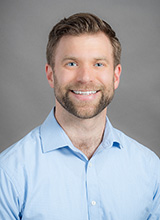
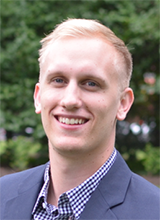
I am an Acting Assistant Professor in the Department of Psychiatry and Behavioral Sciences at the University of Washington, primarily working clinically at Harborview Medical Center. I work with the Recovery Clinic, Intake and Brief Intervention Services (IBIS), the Behavioral Health Integration Program (BHIP), and Addiction Consult Service.
I am fellowship-trained in Addiction Psychiatry, and board certified in both general and addiction psychiatry by the American Board of Psychiatry and Neurology. My passion is providing excellent, compassionate and comprehensive psychiatric care to my patients regardless of background or resources. I believe quality healthcare is a human right for all people and am excited help make that a reality as part of the Harborview system.
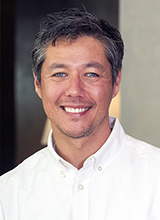
Dr. Dahyeon Kang is an Assistant Professor at the University of Washington School of Medicine. She earned her doctoral degree from the University of Illinois at Urbana-Champaign, where her work focused on the etiology of alcohol and substance use disorders through multimodal research methods, including alcohol administration, neuroimaging, transdermal biosensors, and ecological momentary assessments. At the University of Washington’s Department of Psychiatry, Dr. Kang investigates how individual and social factors interact to influence alcohol and cannabis use behaviors.
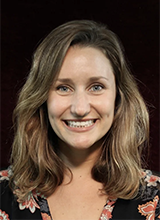
Dr. Sandel-Fernandez’s research is focused on predicting impulsive and risk behaviors as they occur in people’s daily lives. She has conducted numerous studies using ecological momentary assessment (EMA) and self-monitoring data from therapy to build person-specific models of symptom dynamics including self-harm, substance use, and suicide attempts.
Dr. Sandel-Fernandez often takes an idiographic (person-specific) analysis approach to answer the question of when in time a person is most at risk for engaging in behaviors they would like to avoid, based on their context, emotions, and personal triggers. Her career goal is to improve treatment outcomes by tailoring evidence-based care to people’s diverse symptom experiences.
Dr. Sandel-Fernandez also studies the use of digital tools and AI in mental health research, training, and treatment. This currently includes: prediction of suicide risk from internet (Google, YouTube, and TikTok) use, a pilot of mobile suicide risk monitoring in UW primary care, and development of an AI-supported simulation training laboratory with simulated patients that trainees can use to hone their clinical skills.
As a clinical and quantitative psychologist, my work bridges statistical practice and psychological theory to better identify for whom, under what conditions, and why substance-related health disparities are greatest across development. My substantive research seeks to understand how individual differences in stress and developing self-regulation shape substance use and disorder from adolescence through young adulthood, and how these associations explain substance use disparities among sexual and gender minoritized communities. Stemming from this work, my methodological research is centered on improving the analysis and interpretation of nonlinear effects spanning parametric and non-parametric methodologies.
I am a clinical psychologist with specialized training in serious mental illness and inpatient psychiatric care. I earned my PhD from the University of Washington in 2023 after completing my pre-doctoral internship at the same institution, training in serious mental illness and inpatient care at Harborview Medical Center and psycho-oncology at Fred Hutch Cancer Center. My research focuses on developing novel technologies to support patients with serious mental illness, improve the provision of psychological interventions in the inpatient setting, and more efficiently and effectively train future generations of mental health clinicians. I also work as a psychologist on UW’s long-term civil commitment inpatient psychiatry program.
My interests focus on understanding etiology of substance use among adolescents and young adults, high risk events and the development of brief intervention and prevention efforts to reduce substance related harm. I have worked for over 20 years conducting research in governmental, private and academic settings to assess needs, assist in policy decisions and design intervention and prevention efforts. I am keenly interested in exploring opportunities to implement evidence-based approaches to enhance policies and practice.
I am a trained Behavioral Scientist with a PhD in Health & Human Performance. The main goal of my work is to reduce substance-related harms and improve quality of life for people experiencing problems related to their substance use. I work closely with community members who use drugs to inform my line of research and address key needs identified. My primary appointment is at the Harm Reduction Research and Treatment (HaRRT) Center within the UW School of Medicine and hold an Affiliate Faculty appointment within the School of Public Health. My aim is to adapt, refine, and disseminate harm reduction programs through digital health interventions to empower individuals and ameliorate substance-related harms.
My research focuses on how social influences shape individuals’ health behaviors in both constructive (e.g., physical activity) and risky ways (e.g., alcohol use). I take a translational approach to my research in that I aim to understand how social processes, such as normative influences, relate to behavior so that we can leverage these influences to reduce harm and improve health.
Specific areas of interest include alcohol and other substance use, mental health, and gambling/sports betting. My primary focus is helping young adults during the transition into adulthood.
I have a background in sport psychology, and am passionate about helping athletes navigate the unique stressors involved in high-level sport. In this domain, I serve as a fellow at the U.S. Center for Mental Health and Sport.