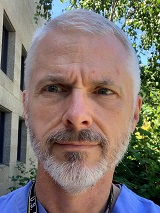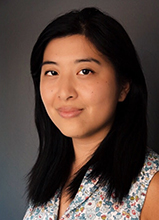
I am a licensed clinical psychologist in the University of Washington’s Department of Psychiatry and Behavioral Sciences, working in adult inpatient care within the Center for Behavioral Health & Learning. I bring specialized training in serious mental illness, inpatient psychiatric care, serving populations with comorbid substance use and/or medical complexity, and enjoy working collaboratively within multidisciplinary teams to optimize patient-centered care. I also bring a global public health background in improving service delivery and access in low-resource settings across Africa and Asia.
I graduated with a PsyD in clinical psychology from the University of Denver, after completing my pre-doctoral internship at Mt. Sinai/Elmhurst Hospital in New York. During this internship, I completed rotations in the adult inpatient unit, the child partial hospitalization program, psychiatric emergency room services, and the consultation-liaison psychiatric service, serving a patient population that is among the most ethnically and culturally diverse in the world. I am dedicated to providing high quality, empathetic, and innovative interventions to our inpatient population.
I work at Fred Hutchinson Cancer Center in the outpatient clinic. I primarily practice from an Acceptance and Commitment Therapy (ACT) perspective. The cancer experience can be emotional. I find deep purpose in supporting patients to improve their quality of life and coping strategies as they face one of life’s most challenging experiences. I like to work with patients on identifying their values and then guide them towards action even when experiencing treatment challenges or uncertainty about the future. My research interests are in stress and health, particularly in the relation of cancer-related PTSD symptoms and pain on health outcomes among cancer survivors. I also have training in telepsychology, rural mental health, substance use, and mental health integration in primary care clinics through a HRSA funded grant in graduate school and internship training at a federally qualified health center (FQHC). On fellowship, I provided inpatient consultation liaison psychotherapy. My hobbies include running, swimming, yoga, and baking.
Rie Sharky, MD, is a board-certified child and adolescent psychiatrist at the Child Study and Treatment Center through the Behavioral Health Administration of the Washington State Department of Social and Health Services. There she provides inpatient psychiatric care across developmental stages, with particular interest in working with the youngest youth and extensive experience caring for older children, adolescents, and transitional-age youth. She enjoys working with individuals of all ages and their families, especially in the context of complex medication regimens and significant psychosocial and systemic challenges.
Dr. Sharky is committed to improving outcomes for young people facing complex mental health needs and structural barriers to care. Her clinical approach emphasizes the development of meaningful, collaborative therapeutic relationships with youth and the caregivers and systems that support them.
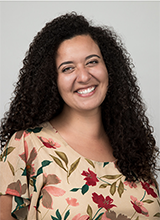
I am a faculty member and licensed clinical psychologist in the University of Washington’s Department of Psychiatry and Behavioral Sciences. Before joining this department, I completed my Ph.D. in clinical psychology at Purdue University, residency at the University of Washington, and fellowship at the University of Pennsylvania.
My research interests primarily center around romantic relationship functioning and personality disorder (PD) measurement. My line of PD research centers around how the use of a trait-based, dimensional approach to assessing and measuring PDs may increase construct validity, reliability, and diagnostic accuracy relating to PDs. My romantic relationship research centers around how romantic relationship functioning and interpersonal behaviors are associated with psychopathology diagnoses and symptoms.
As a clinician, I specialize in treating suicidality and self-harm using comprehensive Dialectical Behavior Therapy; in treating PTSD using Cognitive Processing Therapy and Prolonged Exposure; and in treating anxiety-related disorders using exposure therapies like Exposure and Response Prevention for OCD and Exposure for Social Anxiety. I am also passionate about providing couples’ therapy.
I am a consult psychiatrist and clinical instructor at the Fred Hutch Cancer Center. I work with people undergoing active cancer care. I previously practiced in the VA outpatient mental health clinic with veterans with mood disorders, anxiety, post-traumatic stress disorder, and chronic and serious mental illness. I recently worked as a consult psychiatrist with the Swedish Primary Care Clinics, address a wide variety of concerns in a collaborative behavioral health care setting. I enjoy being a part of medical education, both learning and teaching. However, patient care always comes first.
My research broadly aims to better understand the etiology of depression and risk behaviors such as suicide and substance use across development, and translate findings to inform prevention and intervention strategies for youth and families. My work focuses on partnering with communities and primary care clinics to improve access to and use of effective mental health services.
My current projects include studies focused on adapting and evaluating suicide prevention intervention and implementation strategies for use with adolescents and their families in primary care and outpatient medical settings, including developing and adapting brief, just-in-time, and digital interventions to expand access to services.
In addition to research, I am also a clinical psychologist in the Mood and Anxiety Disorders Program and the Crisis Care Clinic at Seattle Children’s Hospital.
I am a clinical psychologist with board certification in geriatric psychology. I am based in the Geriatrics and Extended Care Service of the VA Puget Sound Healthcare System.
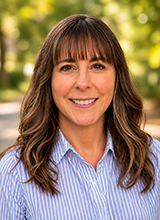
Dr. Jenness is a clinical child psychologist and Associate Professor in the Department of Psychiatry and Behavioral Sciences at the University of Washington. She earned her Ph.D. in Clinical Psychology from the University of Denver in 2015. Her past research includes NIMH-funded studies on the neural and behavioral changes that predict treatment response to behavioral activation for depressed adolescents (K23/NARSAD). As the director of the Adolescent Depression and Intervention Innovations (ADII) lab, her recent work focuses on innovative digital treatment approaches to improve adolescent depression care. Current projects include 1) adapting behavioral activation to an online platform, ActivaTeen (R03, NIMH R34); 2) leveraging paraprofessional coaching of video-guided depression care (Garvey Innovation Grant); and 3) developing and testing a digital just-in-time adaptive intervention (Sidekick; NIMH R61) as a first-step adolescent depression treatment within primary care settings. In addition to research, Dr. Jenness is an Attending Psychologist in the Mood and Anxiety Disorders Program at Seattle Children’s Hospital where she primarily treats adolescent depression and suicide. She has also trained mental health professionals at various sites around the US in the use of behavioral activation with adolescents.
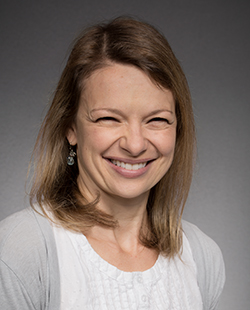
Personal Statement
I am a Clinical Assistant Professor in the Department of Psychiatry and Behavioral Sciences at the University of Washington. I received my MD from New York University and completed my adult residency at the Harvard Massachusetts General Hospital/McLean Hospital program where I was chief resident. I then went on to complete a fellowship in psychosomatic medicine at the University of Washington. I am currently on faculty at Harborview Medical Center on the inpatient psychiatry consult service.
I have a longstanding interest in the intersection between medicine and psychiatry, and am the author of numerous published articles on topics ranging from the neuropsychiatric effects of steroids to managing borderline personality disorder in the primary care setting. I have a particular interest in the use of electroconvulsive therapy, including in the treatment of catatonia. I am currently involved in research projects in conjunction with the division of nephrology and the neurosurgery department. In addition to my clinical and research interests, I am also an associate program director for the UW Adult Psychiatry Residency at Harborview Medical Center.