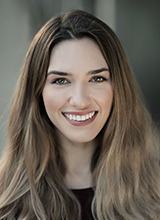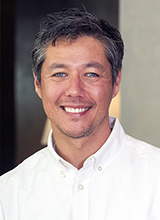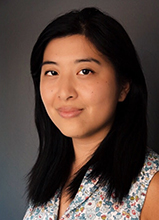
I am a licensed clinical psychologist in the University of Washington’s Department of Psychiatry and Behavioral Sciences, working in adult inpatient care within the Center for Behavioral Health & Learning. I bring specialized training in serious mental illness, inpatient psychiatric care, serving populations with comorbid substance use and/or medical complexity, and enjoy working collaboratively within multidisciplinary teams to optimize patient-centered care. I also bring a global public health background in improving service delivery and access in low-resource settings across Africa and Asia.
I graduated with a PsyD in clinical psychology from the University of Denver, after completing my pre-doctoral internship at Mt. Sinai/Elmhurst Hospital in New York. During this internship, I completed rotations in the adult inpatient unit, the child partial hospitalization program, psychiatric emergency room services, and the consultation-liaison psychiatric service, serving a patient population that is among the most ethnically and culturally diverse in the world. I am dedicated to providing high quality, empathetic, and innovative interventions to our inpatient population.
I work at Fred Hutchinson Cancer Center in the outpatient clinic. I primarily practice from an Acceptance and Commitment Therapy (ACT) perspective. The cancer experience can be emotional. I find deep purpose in supporting patients to improve their quality of life and coping strategies as they face one of life’s most challenging experiences. I like to work with patients on identifying their values and then guide them towards action even when experiencing treatment challenges or uncertainty about the future. My research interests are in stress and health, particularly in the relation of cancer-related PTSD symptoms and pain on health outcomes among cancer survivors. I also have training in telepsychology, rural mental health, substance use, and mental health integration in primary care clinics through a HRSA funded grant in graduate school and internship training at a federally qualified health center (FQHC). On fellowship, I provided inpatient consultation liaison psychotherapy. My hobbies include running, swimming, yoga, and baking.
Dr. Katherine Seldin is a faculty member and licensed clinical psychologist in the University of Washington’s Department of Psychiatry and Behavioral Sciences. Before joining this department, Dr. Seldin completed her PhD in Clinical Psychology at the University of Washington, residency at Northwestern University Feinberg School of Medicine, and fellowship at the University of Ilinois Chicago.
Dr. Seldin specializes in delivering evidence-based cognitive behavioral therapies (CBTs), including mindfulness-based and exposure-based psychotherapies such as Acceptance and Commitment Therapy (ACT) and Exposure and Response Prevention (ERP). Her research interests include mood disorders, sleep, digital intervention, emotional impulsivity, and ecological momentary assessment methodology.
Dr. Dahyeon Kang is an Assistant Professor at the University of Washington School of Medicine. She earned her doctoral degree from the University of Illinois at Urbana-Champaign, where her work focused on the etiology of alcohol and substance use disorders through multimodal research methods, including alcohol administration, neuroimaging, transdermal biosensors, and ecological momentary assessments. At the University of Washington’s Department of Psychiatry, Dr. Kang investigates how individual and social factors interact to influence alcohol and cannabis use behaviors.
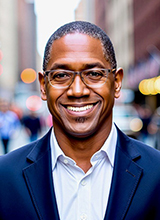
Dr. Clausell earned his doctoral degree in Clinical-Community Psychology from the University of Illinois at Urbana-Champaign in 2011. Dr. Clausell’s graduate research focused on the legacy of childhood attachment relationships on relationship satisfaction of Gay and Lesbian Romantic Couples. Results of this research were published in the journal Developmental Psychology (2008). He completed his Predoctoral Clinical Internship at Veterans Affairs Palo Alto Health Care System and served as a Postdoctoral Research Fellow in Clinical Psychology in the Department of Psychiatry and Behavioral Sciences, Stanford Medicine. Dr. Clausell currently serves as the Director of the Couples & Family Program at Veterans Affairs Puget Sound Health Care System, Seattle Division. In addition, Dr. Clausell serves as Lead Trainer and Consultant in VA Central Office of Family Services for the dissemination program of Integrative Behavioral Couple Therapy lead by Developer & Distinguished Research Professor Dr. Andrew Christensen, at University of California, Los Angeles. Currently, Dr. Clausell serves as clinical trainer and supervisor for Seattle VA’s Clinical training programs, including Predoctoral, Postdoctoral, and the University of Washington Department of Psychiatry and Behavioral Sciences Resident Program where he currently serves at Rotation Supervisor for the VA Outpatient Couple and Family Therapy Rotation.
As a clinical and quantitative psychologist, my work bridges statistical practice and psychological theory to better identify for whom, under what conditions, and why substance-related health disparities are greatest across development. My substantive research seeks to understand how individual differences in stress and developing self-regulation shape substance use and disorder from adolescence through young adulthood, and how these associations explain substance use disparities among sexual and gender minoritized communities. Stemming from this work, my methodological research is centered on improving the analysis and interpretation of nonlinear effects spanning parametric and non-parametric methodologies.
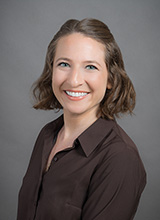
Dr. Samantha J. Reznik (she/her) is an Assistant Professor and licensed clinical psychologist in the Department of Psychiatry and Behavioral Sciences at the University of Washington School of Medicine. She is the Director for Seattle Children’s Psychosis Program, providing holistic mental health care to support individuals with psychosis ages 13-21 to reach goals aligned with personal values and passions. With a commitment to research, training, and clinical leadership in serious mental illness (SMI), she strives to create meaningful change in mental health services, ensuring individuals receive the recovery-oriented care they deserve.
As an investigator at the Supporting Psychosis Innovation through Research, Implementation, & Training (SPIRIT) Center, she focuses on dissemination and implementation research to increase access to and quality of care for individuals with SMI and other underserved populations. She currently supports the Central Assessment for Psychosis (CAPS) project to increase access to psychosis assessment and reduce barriers to early psychosis treatment engagement across Washington. She is also committed to advancing SMI and health service psychology training and is actively involved in related national service, including serving as the Chair-Elect of the APA SMI/SED Subsection and founding member and Co-Chair of SMI Future of Academia, Training, and Education (FATE) committee to advance doctoral psychology training in SMI.
Dr. Reznik earned her PhD in Clinical Psychology at the University of Arizona with a focus on psychophysiology and intervention science. Her clinical training included a Health Resources and Services Administration (HRSA)-funded Underserved Track clinical internship at University of Kansas Medical Center as well as an advanced clinical fellowship in rehabilitation and recovery for SMI at VA San Diego Healthcare System/University of California San Diego. She was previously a Research Assistant Professor at the University of Texas at Austin and investigator with the Advancing Early Psychosis Intervention Network in Texas (EPINET-TX) project.
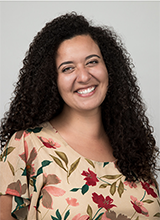
I am a faculty member and licensed clinical psychologist in the University of Washington’s Department of Psychiatry and Behavioral Sciences. Before joining this department, I completed my Ph.D. in clinical psychology at Purdue University, residency at the University of Washington, and fellowship at the University of Pennsylvania.
My research interests primarily center around romantic relationship functioning and personality disorder (PD) measurement. My line of PD research centers around how the use of a trait-based, dimensional approach to assessing and measuring PDs may increase construct validity, reliability, and diagnostic accuracy relating to PDs. My romantic relationship research centers around how romantic relationship functioning and interpersonal behaviors are associated with psychopathology diagnoses and symptoms.
As a clinician, I specialize in treating suicidality and self-harm using comprehensive Dialectical Behavior Therapy; in treating PTSD using Cognitive Processing Therapy and Prolonged Exposure; and in treating anxiety-related disorders using exposure therapies like Exposure and Response Prevention for OCD and Exposure for Social Anxiety. I am also passionate about providing couples’ therapy.
I am a clinical psychologist with specialized training in serious mental illness and inpatient psychiatric care. I earned my PhD from the University of Washington in 2023 after completing my pre-doctoral internship at the same institution, training in serious mental illness and inpatient care at Harborview Medical Center and psycho-oncology at Fred Hutch Cancer Center. My research focuses on developing novel technologies to support patients with serious mental illness, improve the provision of psychological interventions in the inpatient setting, and more efficiently and effectively train future generations of mental health clinicians. I also work as a psychologist on UW’s long-term civil commitment inpatient psychiatry program.