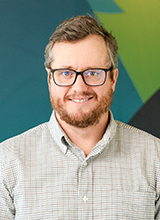
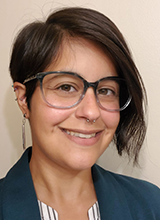
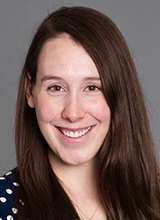
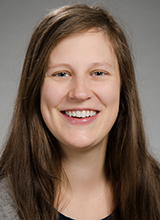
As a child and adolescent psychiatrist at the Child Study and Treatment Center, I am deeply inspired by the resilience of the youth we serve and by the collaborative spirit of our multidisciplinary teams. My work is grounded in curiosity, compassion, and respect for the complex systems that shape young people’s lives. My approach integrates evidence-based psychopharmacology with developmental and trauma-informed care, while always centering around the individual’s unique story and strengths. I value the relational and systemic dimensions of psychiatry: the interplay between family, community, and policy that influences recovery and growth. The multidisciplinary, relational model at CSTC reflects these values and continues to shape how I think about psychiatry: not only as a science, but as a deeply human endeavor.
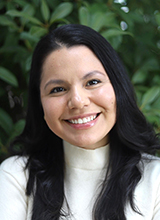
Lupita Santillan, PhD, is an Acting Assistant Professor in the department of Psychiatry and Behavioral Sciences. Dr. Santillan is an attending psychologist for the Early Childhood Clinic and the CALMA Clinic at Seattle Children’s Hospital. She is passionate about increasing access to evidence-based early childhood interventions and the provision of mental and behavioral health in Spanish. Her clinical training has focused on providing care to families and children with developmental delays and neurodevelopmental disabilities. Dr. Santillan’s research focuses on the development, implementation, and efficacy of evidence-based behavioral treatments to support children with developmental delays and neurodevelopmental disabilities.
Rie Sharky, MD, is a board-certified child and adolescent psychiatrist at the Child Study and Treatment Center through the Behavioral Health Administration of the Washington State Department of Social and Health Services. There she provides inpatient psychiatric care across developmental stages, with particular interest in working with the youngest youth and extensive experience caring for older children, adolescents, and transitional-age youth. She enjoys working with individuals of all ages and their families, especially in the context of complex medication regimens and significant psychosocial and systemic challenges.
Dr. Sharky is committed to improving outcomes for young people facing complex mental health needs and structural barriers to care. Her clinical approach emphasizes the development of meaningful, collaborative therapeutic relationships with youth and the caregivers and systems that support them.
I am a child and adolescent psychiatrist committed to improving outcomes for young people who face complex difficulties and systemic barriers. As a clinician, I aim to establish meaningful therapeutic relationships with young people and those supporting them, while also working to advocate for public policy and health systems that improve access to quality mental healthcare.
My main role includes providing inpatient care to older adolescents at the Child Study and Treatment Center through the Behavioral Health Administration, Washington State Department of Social and Health Services, and acting as training lead for psychiatry at this site. My clinical interests include the transition from adolescence to adulthood, the emergence of mood disorder and psychosis, early intervention for personality disorder, and developmental disabilities. I have academic interest in medical education, health service development, and the social determinants of mental health.
My clinical and research work focus on ways to improve care for children with complex neurodevelopmental and behavioral concerns, especially in the context of prenatal substance exposures and fetal alcohol spectrum disorders (FASD).
Current projects include developing training to reduce stigma and improve accurate retrospective screening for prenatal alcohol exposure; examining factors influencing response to the Families Moving Forward Program for FASD; and, evaluating the clinical utility of the proposed diagnosis ND-PAE.
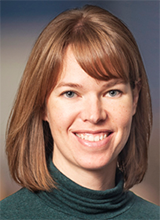
My primary research and clinical interests are in diagnosis and management of neurodevelopmental disorders, particularly, autism spectrum disorder. I am a psychologist at the Seattle Children’s Autism Center where I participate in team evaluations for children and teens with co-occurring medical or psychiatric complexity, and I also see patients through our Gender Clinic. I also work at the University of Washington’s Institute on Human Development and Disability (IHDD) where I see patients in the Infant Development Follow-up Clinic and in the Child Development Clinic. I love the interdisciplinary nature of CHDD and I am proud to be a faculty mentor for the LEND program (Leadership Education in Neurodevelopmental and Related Disabilities). Overarchingly, I am invested in learning more about how to support individuals and families, how to embrace the neurodiversity movement, encourage affirming care where strengths are celebrated, and work toward equitable treatment for the families I serve.
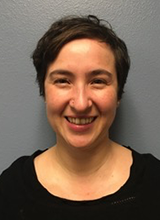
Dr. Megan Goldenshteyn works as a licensed psychologist at the Institute on Human Development and Disability (IHDD) in the Child Development Clinic, Cardiac Neurodevelopment Clinic, Down Syndrome Specialty Clinic, and the Infant Development Follow-up Clinic. Dr. Goldenshteyn conducts psychological and developmental evaluations and supervises the psychology trainees, including the postdoctoral fellow and residents.
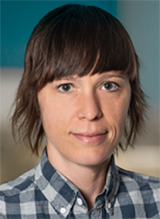
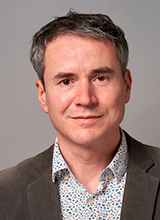
I am a child and adolescent psychiatrist at Seattle Children’s Hospital and faculty member at the University of Washington Medicine. My SCH practice locations include the Gender Clinic (Adolescent Medicine), Outpatient Psychiatry Clinic, Autism Center, and the inpatient unit- Psychiatry and Behavioral Medicine Unit (PBMU). I believe in delivering compassionate, evidence-based care in supporting patients and their families. My approach is both comprehensive and patient-centered, as it is important to consider the needs of the individual while also appreciating societal and cultural context. I specialize in working with diverse patient populations with various marginalized identities, such as those who identify as LGBTQ, gender diverse, and/or neurodiverse. I also work closely with the Adolescent Medicine Gender Clinic in supporting any mental health needs of transgender/gender diverse youth and their families. I also collaborate with colleagues in specialty medical clinics to coordinate care of medically complex patients. Additionally, I serve as a consultant with various school programs to support mental health initiatives and advocacy efforts.
Academically, I am involved with several initiatives both locally and nationally, particularly those that work to promote diversity and equity. I serve on committees supporting the SCH/UW CAP Fellowship Program, educating trainees and students through direct clinical supervision as well as with lectures and discussions. On a national level, I serve on the Sexual Orientation and Gender Identity Issues Committee (SOGIIC) for the American Academy of Child and Adolescent Psychiatry (AACAP). My clinical research focuses on finding strategies to better support the mental health and well-being of patients and families who are LGBTQ+. Additionally, I work on studies that explore the intersection between gender diversity and neuro diversity/autism spectrum.