I work at Fred Hutchinson Cancer Center in the outpatient clinic. I primarily practice from an Acceptance and Commitment Therapy (ACT) perspective. The cancer experience can be emotional. I find deep purpose in supporting patients to improve their quality of life and coping strategies as they face one of life’s most challenging experiences. I like to work with patients on identifying their values and then guide them towards action even when experiencing treatment challenges or uncertainty about the future. My research interests are in stress and health, particularly in the relation of cancer-related PTSD symptoms and pain on health outcomes among cancer survivors. I also have training in telepsychology, rural mental health, substance use, and mental health integration in primary care clinics through a HRSA funded grant in graduate school and internship training at a federally qualified health center (FQHC). On fellowship, I provided inpatient consultation liaison psychotherapy. My hobbies include running, swimming, yoga, and baking.
Condition: Medically complex
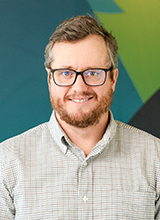
Jay Davidson
As a child and adolescent psychiatrist at the Child Study and Treatment Center, I am deeply inspired by the resilience of the youth we serve and by the collaborative spirit of our multidisciplinary teams. My work is grounded in curiosity, compassion, and respect for the complex systems that shape young people’s lives. My approach integrates evidence-based psychopharmacology with developmental and trauma-informed care, while always centering around the individual’s unique story and strengths. I value the relational and systemic dimensions of psychiatry: the interplay between family, community, and policy that influences recovery and growth. The multidisciplinary, relational model at CSTC reflects these values and continues to shape how I think about psychiatry: not only as a science, but as a deeply human endeavor.
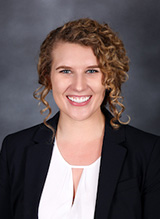
Christina Warner
Christina Warner, MD (she/her) is the attending psychiatrist for the Early Psychosis Clinic and Partial Hospitalization Program at Seattle Children’s Hospital. She has clinical expertise in mood disorders, psychosis spectrum disorders, First Episode Psychosis, chronic suicidality, mood dysregulation, neurodiversity, and Dialectical Behavior Therapy.
Dr. Warner is a Washington native and graduate of the Seattle Public School system with a vested interest in expanding access to high quality mental health care in her community.
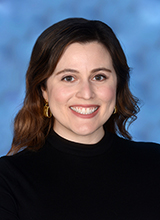
Brenna Emery
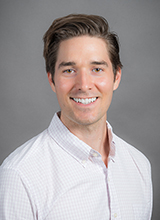
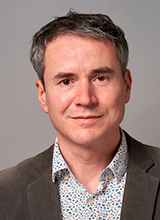
Nicholas Tacke
I am a psychiatric consultant in the Behavioral Health Integration Program and inpatient psychiatrist at the Center for Behavioral Health and Learning. Whether in the clinic or hospital, I seek to improve access to high quality psychiatric care, especially in patients with medical complexity and those who have traditionally been underserved. I am passionate about achieving this mission through the integration of psychiatric care into primary care settings. The best part of my job is exploring with patients how their physical health, mental health, identities, and past experiences all contribute to their overall well-being. I enjoy teaching both trainees in psychiatry as well as non-psychiatric providers. I am board-certified in both general psychiatry and consultation-liaison psychiatry.
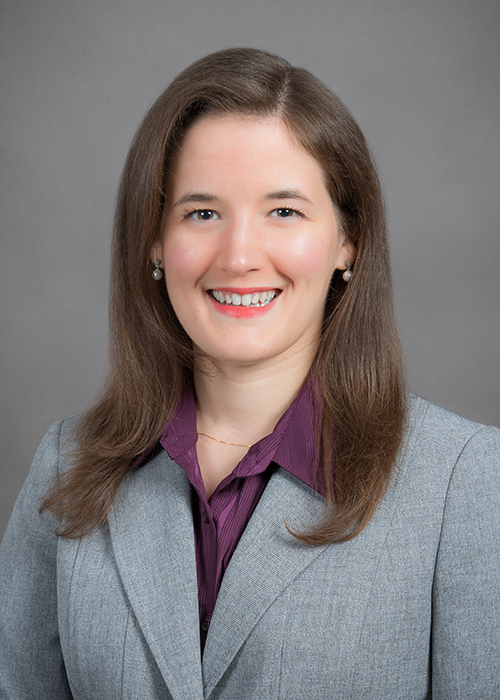
Robin Berger
I am a child and adolescent psychiatrist committed to improving outcomes for young people who face complex difficulties and systemic barriers. As a clinician, I aim to establish meaningful therapeutic relationships with young people and those supporting them, while also working to advocate for public policy and health systems that improve access to quality mental healthcare.
My main role includes providing inpatient care to older adolescents at the Child Study and Treatment Center through the Behavioral Health Administration, Washington State Department of Social and Health Services, and acting as training lead for psychiatry at this site. My clinical interests include the transition from adolescence to adulthood, the emergence of mood disorder and psychosis, early intervention for personality disorder, and developmental disabilities. I have academic interest in medical education, health service development, and the social determinants of mental health.
Emily Schutzenhofer
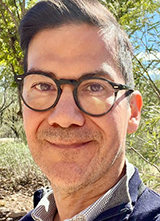
Randall Espinoza
I am currently the Medical Director at the Garvey Institute Center for Neuromodulation and am providing leadership to help grow our portfolio in the area of Neuromodulation and Interventional Psychiatry. Before coming to the UW, I was the Muriel Harris Chair of Geriatric Psychiatry and Professor of Clinical Psychiatry at UCLA. While at UCLA, I held many administrative, clinical and teaching leadership positions including serving as Medical Director of Inpatient Geriatric Psychiatry, Chief of Staff of the UCLA Neuropsychiatric Hospital, Founding Faculty of the UCLA Neuromodulation Division, Medical Director of the ECT and Interventional Psychiatry Program, among others.
I recently became Editor-in-Chief of the Journal of ECT and Related Therapies, the official publication of the International Society of ECT and Neurostimulation. My research projects have included investigating various neuromodulation and interventional therapies and developing novel educational programs and curricula. I have an abiding interest in mentoring and helping faculty at the start of their careers and a commitment to fostering the advancement of women and underrepresented minority (URM) faculty in academic medicine.

Austin Kollefrath
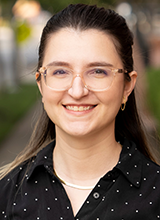
Julia Brechbiel
Areas of clinical practice:
SLU at Fred Hutch Cancer Center and UW Diabetes Institute
My passion and background are working with individuals with serious medical conditions, primarily cancer but also other chronic health conditions. I split my clinical time between FHCC and UW Diabetes Institute. I also passionate about conducting research about existential distress and post-traumatic growth in oncology.
Clinical Approach:
I practice an interpersonal approach to psychotherapy, rather than solely structured one. I enjoy building a collaborative relationship with my patients to identify goals to work on in therapy. I really want our time together to be worthwhile. There’s only so much time and energy someone with a major illness has. I am a big fan of the spoon theory and don’t want to be wasting their spoons. I love to use humor, metaphor and stories. I also find it important to provide space and opportunities to discuss heavier topics related to prognosis, morality, grief and legacy. I enjoy supporting patients with meaning making and trying to answer difficult questions such as “What’s the meaning of all this? How can we help patients live well with what life is remaining?”
Personal History:
I have a small, supportive family with my partner and our dog. Growing up, I was close with my grandparents. My grandfather who lived with Parkinson’s disease for most of my life. Parkinson’s has a lot of physical symptoms, but also mood symptoms. Additionally, he also lived with chronic melanoma and prostate cancer. His health had a large impact on his life, our family, and how I now view quality of life during treatment and at end of life. He always faced challenges and changes in his functioning with humor and creative to continue to engage in active he enjoyed like travel, golf and a fancy meal. Around the time I started graduate school for psychology, he passed away. His legacy influenced me work with people who were living with serious medical conditions or acquired new disability. I want to help patients live with it instead of against it.