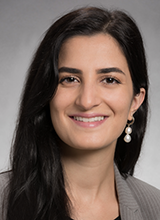
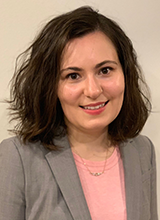
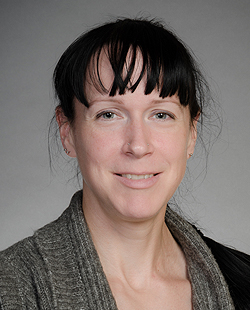
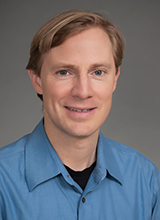
As a child and adolescent psychiatrist at the Child Study and Treatment Center, I am deeply inspired by the resilience of the youth we serve and by the collaborative spirit of our multidisciplinary teams. My work is grounded in curiosity, compassion, and respect for the complex systems that shape young people’s lives. My approach integrates evidence-based psychopharmacology with developmental and trauma-informed care, while always centering around the individual’s unique story and strengths. I value the relational and systemic dimensions of psychiatry: the interplay between family, community, and policy that influences recovery and growth. The multidisciplinary, relational model at CSTC reflects these values and continues to shape how I think about psychiatry: not only as a science, but as a deeply human endeavor.
I am an Acting Assistant Professor in the Department of Psychiatry and Behavioral Sciences at the University of Washington, primarily working clinically at Harborview Medical Center. I work with the Recovery Clinic, Intake and Brief Intervention Services (IBIS), the Behavioral Health Integration Program (BHIP), and Addiction Consult Service.
I am fellowship-trained in Addiction Psychiatry, and board certified in both general and addiction psychiatry by the American Board of Psychiatry and Neurology. My passion is providing excellent, compassionate and comprehensive psychiatric care to my patients regardless of background or resources. I believe quality healthcare is a human right for all people and am excited help make that a reality as part of the Harborview system.
I am a trained Behavioral Scientist with a PhD in Health & Human Performance. The main goal of my work is to reduce substance-related harms and improve quality of life for people experiencing problems related to their substance use. I work closely with community members who use drugs to inform my line of research and address key needs identified. My primary appointment is at the Harm Reduction Research and Treatment (HaRRT) Center within the UW School of Medicine and hold an Affiliate Faculty appointment within the School of Public Health. My aim is to adapt, refine, and disseminate harm reduction programs through digital health interventions to empower individuals and ameliorate substance-related harms.
Nathan Sackett, MD, MS is trained as an addiction psychiatrist, focusing on the intersection between substance use and psychiatric disorders. He attended medical school and nursing school at UCSF, graduate school at UC Berkeley and completed his adult psychiatry residency and addiction psychiatry fellowship at the University of Washington. He is now a junior faculty at the University of Washington in the Department of Psychiatry and Behavioral Sciences where he splits his time between seeing patients and research. Clinically, he works primarily outpatient seeing a range of patients with primary psychiatric issues and substance use disorders. His research focuses on the use of psychedelics to treat substance use disorders with a particular interest in how psychedelics can augment the psychotherapeutic process and facilitate behavioral change. When he is not working, he is spending time with his family and playing in the ocean.
I am an addiction psychiatrist and Acting Assistant Professor in the Department of Psychiatry and Behavioral Sciences at the University of Washington. My clinical expertise include treating substance use disorders in the outpatient and inpatient settings as well as general psychiatric illness. I also work with the Healthcare for the Homeless Network, through Harborview Medical Center. I’m interested in working with under-served populations and expanding their access to care.
Dr. Banta-Green studies substance use involving opioids and stimulants and interventions to support recovery and reduce substance-related harms. He is particularly interested in developing interventions that are accessible to all people, including those who are most marginalized, such as those who are unhoused, utilizing services syringe service programs, and/or in the criminal legal system. He provides technical assistance and evaluation services for public health and safety interventions including the website http://stopoverdose.org, and information for the general public and professionals about effective treatments at http://learnabouttreatment.org. As an epidemiologist he develops innovative approaches to measuring the use and impacts of substances as well as service utilization. His health services research involves clinical trials, implementation research, and secondary data analyses. He serves on local, state, and federal workgroups and committees related to epidemiology, policy, and interventions for illicit substance-related problems. He is a member of the U.S. Health and Human Service’s Interdepartmental Substance Use Disorders Coordinating Committee.
I am a perinatal and addiction psychiatrist and Acting Assistant Professor in the Department of Psychiatry and Behavioral Sciences. My main area of interest and expertise is substance use disorders in the perinatal period as well as women’s mental health more generally. I am also passionate about doing my part to address inequities in healthcare.
My career is dedicated to the field of Emergency Psychiatry and providing excellent clinical care for patients with acute presentations as part of a stellar team of coworkers. I am also active in developing guidelines for competent mental health care in the Emergency setting, including ensuring adequate medical clearance and detailing processes and procedures for a complete mental health evaluation. I am committed to the education our next generations of psychiatrists as they develop into capable, competent, compassionate providers who advocate for their patients and have an eye to equitable utilization of resources.