Personal Statement
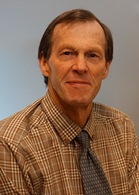
My primary interest is Graduate Medical Education and Faculty Development in Child and Adolescent Psychiatry. I was the program director for the Child and Adolescent Psychiatry residency at the UWSOM for 32 years. I am now the Director of Education and Faculty Development in the Division of Child and Adolescent Psychiatry. My clinical interests are in pediatric psychopharmacology, particularly re ADHD.
Personal Statement
My research program focuses on understanding brain circuitry involved in mood regulation, including models of depression and anxiety, and also circuits related to substance abuse. Our experiments are conducted in mice that have been genetically engineered to disrupt the function of certain brain regions, or to allow the manipulation of brain activity with pulses of light, a method called “optogenetics.” Our studies uses neuroanatomical methods, electrophysiology, and behavioral assays to understand the the outcome of these genetic and optogenetic manipulations. Of current interest in the lab is the function of a poorly understood brain region called the habenula. Historically my laboratory has also focused on brain development and the role of regulatory molecules called transcription factors in determining the identity of specific kinds of neurons. We are continuing to study developmental gene regulation in the context of craniofacial development and birth defects. Our research is funded by grants from the NIH institutes NIMH and NIDA.
Personal Statement
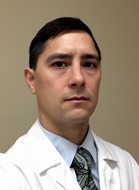
I am an Assistant Professor in the Department of Psychiatry & Behavioral Sciences at the University of Washington Medical Center. In addition to general psychiatry, I am an expert in Consultation Liaison Psychiatry. My primary clinical roles are in the inpatient psychiatry consultation service at the University of Washington Medical Center and Harborview Medical Center.
I earned my bachelor’s degree from the University of California, Berkeley and his M.D. from Loma Linda University in California. I first came to the UW as a psychiatry resident, and then continued on for my fellowship in Psychosomatic Medicine.

Personal Statement
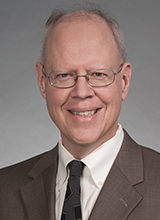
I am a Professor in the Department of Psychiatry and Behavioral Sciences at the University of Washington and licensed Clinical Psychologist who specializes in development and evaluation of technology-based approaches in the study, assessment, treatment, and prevention of mental illness. This work includes development of illness self-management apps for people with schizophrenia, texting interventions, behavioral sensing/digital phenotyping, computational psychiatry/predictive modelling, applications of Natural Language Processing (NLP), and development of culturally-relevant digital mental health resources for communities in low-and-middle-income countries.
My research has been supported by grants and awards from the National Institutes of Health (NIH), National Science Foundation (NSF), Center for Medicare and Medicaid Innovation (CMMI) Patient Centered Outcomes Research Institute (PCORI), SYNERGY Clinical and Translational Science Institute, Myrtlewood Foundation, and John Sloan Dickey Center for International Understanding. I publish extensively in scientific journals and am a regular speaker at national and international scientific meetings including invited presentations at the White House and National Institute of Mental Health Director’s Innovation Speaker series. I have written editorials and commentaries on the use of technology-based interventions for Psychiatric Services, the BMJ, and the New York Times, and my research has been covered by Public Radio, Nature, Wired Magazine, Slate, and The Economist. I served on the Editorial Board of Schizophrenia Bulletin and am the Inaugural Editor of the “Technology in Mental Health” Column for Psychiatric Services (APA journal).