Personal Statement
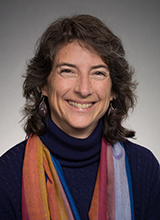
I am a psychiatrist at the UW Outpatient Psychiatry Clinic (OPC) on Roosevelt, where I see patients for consultation, medication management, and psychotherapy, both individually and with psychiatry residents. I see patients with mood disorders, anxiety disorders, trauma, and complex trauma. I also help answer a consultation line for providers in the state of Washington who have questions about psychiatric medications during the perinatal period.
I serve as an Associate Program Director in the Psychiatry residency, where I help oversee the curriculum. My areas of interests are resident education, psychodynamic psychotherapy, outpatient psychiatry, perinatal psychiatry, and diversity, equity, and inclusion.
Personal Statement
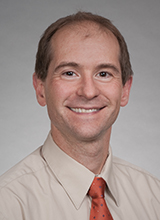
I have focused my clinical and research interests on the complex intersection of chronic medical illness and serious mental illness. I have had clinical training in both internal medicine and psychiatry, and my clinical work over the past decade has included the provision of inpatient and outpatient medical care within an urban community mental health center. Through an NIMH-funded K23 (career development award), I have investigated the prevalence of cardiovascular risk factors among veterans with serious mental illness, and the healthcare costs and disparities of this vulnerable population. My current projects include an NIDDK (R21) grant to develop and pilot test an innovative community mental health center-based team approach to the treatment of poorly controlled type 2 diabetes among outpatients with schizophrenia.
Personal Statement
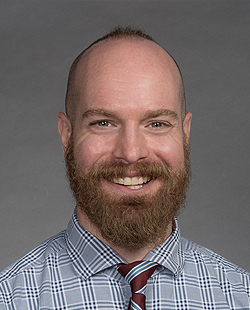
I am a basic neuroscientist, a board-certified practicing psychiatrist, and an Assistant Professor of Psychiatry and Behavioral Sciences at the University of Washington Medical School. The goal of my research is to investigate the neural circuitry of cognitive, emotional and memory processing, particularly as it relates to the cerebellum, and illnesses affecting cerebellum including cognitive disorders, PTSD, TBI and dementia through the implementation of techniques in mouse behavioral genetics. In my clinical practice, I primarily see veterans with PTSD, mild cognitive impairment, and various forms of dementia in an outpatient clinic at the VAMC Puget Sound Geriatric Research, Education, and Clinical Center (GRECC) in Seattle. I have over 15 years of experience in basic science research with most of that time dedicated to the use of mouse models of neuropsychiatric disorders.
Throughout my training prior to and during graduate school, I gained background in many contemporary molecular and biochemical lab techniques, such as molecular cloning, protein biochemistry, protein crystal production, fluorometric measurement of protein kinetics, in vivo NMR spectroscopy, gene targeting, microarray genomics, immunohistochemistry, and mammalian cell culture. I have a foundation in mouse genetics, neural development, and behavior which I developed in Michael Georgieff’s lab by investigating the role of iron in developing pyramidal neurons of the mouse hippocampus. During graduate training, I also received cross-training in child psychological development. In graduate school, I developed two mouse models of nonanemic neuron specific iron deficiency: 1) a conditional knockout of the Slc11a2 gene, encoding the iron transporter DMT-1 in forebrain neurons, including hippocampal pyramidal neurons, and 2) a transgenic mouse with a reversibly inducible dominant negative (nonfunctional) form of the transferrin receptor expressed only in hippocampal pyramidal neurons. I utilized and implemented different versions of the Morris Water Maze to study learning deficits in these mouse models of perinatal brain iron deficiency, a condition that is often a consequence of diabetes during pregnancy.
During my residency training, I expanded my knowledge of neuropsychiatric disorders by directly evaluating and treating patients with neuropsychiatric disorders including PTSD, schizophrenia, Alzheimer’s disease, autism, major depression, substance abuse disorders, and personality disorders. I learned numerous pharmacological, neuromodulatory, and psychotherapeutic interventions and participated in the internally funded Neuroscience Research Track. I then received a NIMH career development award (K08) mentored by Larry Zweifel, Ph.D. In that position, I investigated interactions between catecholamines and the cerebellum in decision making, emotional and cognitive processing. In the 5 years I was in Dr. Zweifel’s lab, I learned many additional new techniques including use of viral vectors, in vivo electrophysiology, and several operant- and threat-based behaviors, and moved forward in my goal of becoming a physician scientist isolating important circuits underlying etiology of specific domains of behavioral function. This work culminated in my receiving an RO1 independent investigator award, without any gap in funding.
My current research utilizes mouse behavior, in vivo electrophysiological recordings, gene targeting, viral vectors, translational profiling, chemo- and optogenetic tools, site-specific intracranial viral vector injection, and protein chemistry. I am now forging my path as an independent investigator, and my primary goal is to understand cerebellar circuits as they relate to psychiatric and neurodegenerative illnesses and utilize this knowledge to inform and improve current and novel psychiatric illnesses, primarily in cognitive and emotional domains. As such, I am pursuing a multidisciplinary approach combining genetic, electrophysiological, pharmacological, and behavioral techniques.
Personal Statement
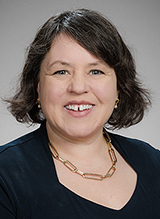
I have a passion for treating geriatric patients with new onset and longstanding mental health disorders and cognitive disorders. My primary interests are depression and psychotic disorders, especially when these symptoms overlap with cognitive disorders. I value sharing in the life histories of patients and families, the challenging complexity of medical issues as they interact with psychiatric presentations and assisting patients and families in discussions about advanced care planning and end of life issues.
I have particular expertise in working with those living in long term care settings where I have done consultation work.
I have recently joined Harborview’s ethics committee in order to participate in examining difficult clinical, social, and ethical situations which affect patients, families, and staff within the medical system.
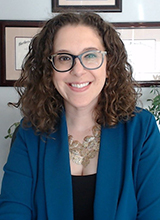
Thank you for your interest in learning more about me! My name is Dr. Ruth Varkovitzky (she/her) and I am a licensed clinical psychologist. I use a culturally sensitive evidence based approach in my clinical work; combining the best science while tailoring therapy to each individual. In the spirit of providing the highest quality of care possible, I am board certified in Behavioral and Cognitive Psychology by the American Board of Professional Psychology.
I specialize in providing therapy for trauma and sleep disorders, such as PTSD and insomnia. In addition, I offer a variety of treatments to address problems with depression, anxiety, and OCD. Supporting folks with these challenges is my passion; it’s an honor to work alongside my clients and see them heal and grow.
Public service has always been part of my journey, including collaboration with shelters for survivors of domestic violence, the Department of Veterans Affairs, the University of Washington Department of Psychiatry and Behavioral Sciences, and the Washington State Board of Psychologist Examiners. In addition to my passion for clinical work, I’ve enjoyed contributing to psychological science through academic and media publications. I established my private practice Renewal Psychology to offer my services to clients in Washington as well as the many state members of the Psychology Interjurisdictional Compact (PSYPACT).
I welcome being connected! Please reach out to me by email at: drruth@renewalpsych.com.
Personal Statement
My primary interests are Nutrition and Lifestyle Psychiatry, Cultural Psychiatry and the interface of Religion and Spirituality with Psychiatry. I love guiding patients to achieve healing using a domains of health approach- addressing Nutrition, Sleep, Relaxation, Movement and Connectedness/ Purpose.

Personal Statement
I am a Professor in the Department of Psychiatry and Behavioral Sciences at the University of Washington and licensed Clinical Psychologist who specializes in development and evaluation of technology-based approaches in the study, assessment, treatment, and prevention of mental illness. This work includes development of illness self-management apps for people with schizophrenia, texting interventions, behavioral sensing/digital phenotyping, computational psychiatry/predictive modelling, applications of Natural Language Processing (NLP), and development of culturally-relevant digital mental health resources for communities in low-and-middle-income countries.
My research has been supported by grants and awards from the National Institutes of Health (NIH), National Science Foundation (NSF), Center for Medicare and Medicaid Innovation (CMMI) Patient Centered Outcomes Research Institute (PCORI), SYNERGY Clinical and Translational Science Institute, Myrtlewood Foundation, and John Sloan Dickey Center for International Understanding. I publish extensively in scientific journals and am a regular speaker at national and international scientific meetings including invited presentations at the White House and National Institute of Mental Health Director’s Innovation Speaker series. I have written editorials and commentaries on the use of technology-based interventions for Psychiatric Services, the BMJ, and the New York Times, and my research has been covered by Public Radio, Nature, Wired Magazine, Slate, and The Economist. I served on the Editorial Board of Schizophrenia Bulletin and am the Inaugural Editor of the “Technology in Mental Health” Column for Psychiatric Services (APA journal).
Personal Statement
I am a national expert on collaborative care and specifically, on training teams to implement and deliver mental health treatment in primary care settings. My passion for translating complex research ideas into practical real-world applications began when I received my MD and PhD in Anatomy and Neurobiology as part of the Medical Scientist Training Program at the University of California at Irvine.
I am currently a Professor in the Department of Psychiatry and Behavioral Sciences at the University of Washington where I have developed additional expertise in suicide prevention training, mental health workforce development, adult learning best practices, and mentorship. I am the Co-Director of the AIMS Center (Advancing Integrated Mental Health Solutions) and Director of the UW Integrated Care Training Program for residents and fellows.